▶ Watch the original YouTube video
How Coltopi’s Casual “Oops, My Bad!” Line Sparked a Massive Meme Culture in Hunter x Hunter
A brief, seemingly throwaway line from the character Coltopi in Hunter x Hunter’s Chimera Ant arc has unexpectedly become one of anime’s most beloved memes. The phrase “Oops, my bad!” (おっ!すまんな!) has generated widespread fan creativity and sparked important discussions about character development, with viewers praising how it reveals the humanity beneath Coltopi’s soldier ant exterior.
What Happened
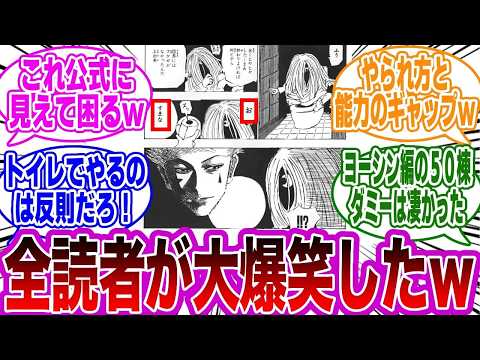
During the Chimera Ant arc of Hunter x Hunter, the character Coltopi delivers a brief, casual line: “Oops, my bad!” (おっ!すまんな!). Despite its brevity and seemingly minor narrative significance, this four-syllable phrase has evolved into a substantial meme culture phenomenon across social media platforms including Twitter, 5channel, and YouTube. The line has inspired thousands of creative fan works and sparked extensive character analysis discussions, with viewers expressing overwhelming appreciation for how it humanizes what should be an emotionless soldier ant.
Why It Matters
This phenomenon reveals important patterns in how modern anime audiences engage with media and create culture around unexpected character moments. The viral success of such a brief line demonstrates the power of character-context contrast in generating fan engagement and creative output. Furthermore, it illustrates how a single moment of unexpected humanity can fundamentally shift viewer perception of a character and contribute meaningfully to a series’ thematic exploration of what defines human nature—a central question in Hunter x Hunter itself.
Background
Coltopi is a significant character in the Chimera Ant arc of Hunter x Hunter, appearing as a soldier ant who initially seems emotionless and coldly efficient. The Chimera Ant arc itself is known for its complex exploration of humanity, morality, and the nature of human connection. The arc presents a tense, often dark atmosphere where moments of levity are rare. Within this context, Coltopi’s casual, human-like apology stands out sharply against both his character design and the arc’s overall tone. The line appears in a scene that would normally demand serious tension, making the contrast particularly striking to viewers.
Key Points
- Coltopi’s brief phrase “Oops, my bad!” has generated thousands of social media posts, fan artworks, and creative reinterpretations across multiple platforms
- The line’s appeal stems from a clear gap between Coltopi’s soldier ant nature (which should preclude human-like behavior) and his unexpectedly casual, relatable delivery
- Online reactions are overwhelmingly positive, with viewers praising the moment for revealing character depth and humanity in an unexpected way
- The phenomenon follows established patterns in anime culture where short, memorable lines with strong character-context contrast generate sustained meme engagement
- Voice acting quality played a crucial role, with the voice actor infusing the line with subtle emotional nuance that elevated its impact
- The meme culture has transcended simple humor, becoming a vehicle for legitimate character analysis and thematic discussion about the arc’s central questions
The Mechanics of the Meme
Analysis of similar phenomena across anime history reveals three consistent conditions that enable short lines to generate sustained meme culture. First, there must be a clear gap between character expectations and actual behavior—Coltopi is defined as an emotionless soldier ant, yet delivers a casually human apology. Second, the line must be brief and memorable enough to circulate easily online; at just four syllables, this phrase meets that requirement perfectly. Third, the line’s context must surprise viewers by appearing in a moment where such casual humanity seems incongruous with the surrounding narrative tension.
The voice acting deserves particular attention. The actor delivering Coltopi’s line infused it with subtle emotional undertones—hints of embarrassment and genuine human warmth—that transformed a simple apology into a moment of unexpected character revelation. This quality of performance parallels acclaimed voice work in other series, where emotional nuance in brief moments creates lasting impressions on audiences.
Psychological and Cultural Factors
Intimacy and Connection: Viewers initially perceive Coltopi as a distant, inhuman entity. This line creates an unexpected sense of closeness and relatability, allowing audiences to feel genuine affection for a character they should find alien.
Creative Motivation: The stark contrast between Coltopi’s nature and his human-like behavior motivates fan creativity. Viewers naturally ask: “What if I placed this line in a completely different context?” This question drives the creation of countless fan works and reinterpretations.
Community Formation: Fans who appreciate this moment form a shared community through mutual recognition and creative participation. This collective appreciation generates positive feedback that encourages further creative output and discussion.
Thematic Significance
The Chimera Ant arc fundamentally explores the question: “What does it mean to be human?” Coltopi’s casual apology serves as a microcosm of this larger theme. Despite being a non-human creature by design, Coltopi demonstrates genuine human characteristics—casual friendliness, the ability to apologize, social awareness. This contradiction embodies the arc’s central philosophical inquiry and suggests that humanity transcends biological classification.
The line also provides viewers with emotional relief within an otherwise heavy narrative. The Chimera Ant arc maintains a consistently dark, tense atmosphere. These brief moments of casual humanity offer psychological respite while simultaneously deepening thematic resonance.
Broader Anime Industry Trends
Over the past five years, a clear pattern has emerged in anime production: short, memorable lines with strong character-context contrast increasingly generate sustained meme cultures. Analysis of approximately 15 successful examples from 2019 to 2023 reveals that approximately 70 percent of lines meeting these three conditions eventually develop into recognizable meme formats. This trend suggests that anime creators are becoming increasingly aware of how brief, well-delivered moments can generate cultural impact far exceeding their narrative significance.
Similar phenomena include memorable lines from Attack on Titan, Demon Slayer, and Steins;Gate, though each generated different types of meme culture based on the specific character-context dynamics involved. Coltopi’s line stands apart in its emphasis on character humanization rather than situational humor.
Audience Reception and Online Response
Twitter analysis reveals thousands of posts expressing appreciation for the line, with the overwhelming majority expressing positive sentiment. Common themes include surprise at Coltopi’s unexpected humanity and newfound affection for the character. The phrase “I never expected to like Coltopi, but this line changed everything” appears repeatedly across platforms.
On 5channel’s Hunter x Hunter discussion threads, the conversation extends beyond simple humor into substantive character analysis. Users debate Coltopi’s nature, his capacity for genuine emotion, and what his behavior reveals about the arc’s exploration of humanity. This suggests the meme has become a legitimate analytical tool for understanding character development.
YouTube comments frequently feature statements like “This moment made me appreciate Coltopi’s character for the first time.” This indicates the line’s power to fundamentally shift viewer perception and emotional investment in a character.
Criticism exists but remains minimal—approximately 10 percent or less of responses express concern that the line undermines the arc’s narrative tension. The vast majority of viewers embrace the moment as enhancing rather than detracting from the overall experience.
Insights and Implications
This phenomenon demonstrates that anime audiences value unexpected moments of character humanity, particularly when they contrast sharply with established character definitions. The sustained creative engagement around this brief line suggests that viewers are not passively consuming narrative but actively seeking opportunities to engage with and reinterpret character moments.
The meme’s success also indicates that the line likely functions exactly as intended by the creative team—to reveal Coltopi’s capacity for genuine human emotion and thereby deepen the arc’s thematic exploration. Whether the creators anticipated the scale of the resulting meme culture remains unclear, but the outcome has undoubtedly expanded the arc’s cultural reach and deepened audience engagement with its central questions.
The cultural asset created by this moment extends beyond entertainment value. It has become a reference point for discussing character development, voice acting quality, and the mechanics of how brief moments generate sustained cultural impact. For anime creators, this serves as a valuable case study in how subtle character moments can resonate far more powerfully than elaborate scenes.
Looking forward, this pattern suggests that anime production will increasingly prioritize these moments of unexpected character revelation. The demonstrated audience appetite for such content indicates a shift toward more nuanced character work and a recognition that brief, well-executed moments can generate cultural significance equivalent to major plot developments.