▶ Watch the original YouTube video
Gerudo Link’s Design Sparks Debate: What the Fan Reaction Reveals About The Legend of Zelda’s Evolution
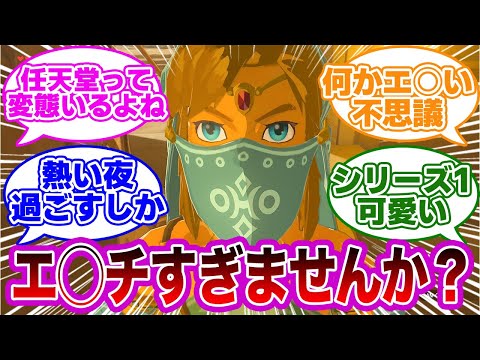
The appearance of Gerudo Link—Link wearing traditional Gerudo clothing—in Tears of the Kingdom has ignited widespread discussion within the Zelda community about character identity, cultural representation, and the series’ creative direction. Fan reactions range from enthusiastic support to concerns about departing from Link’s iconic visual design, revealing deeper questions about what defines the hero across 30+ years of gaming history.
What Happened
In The Legend of Zelda: Tears of the Kingdom, Link acquires and wears traditional Gerudo clothing while exploring the Gerudo region. This design choice has generated significant discussion across gaming communities, with fans expressing diverse opinions about its narrative purpose, cultural significance, and implications for the character’s established identity. The debate extends beyond simple aesthetic preference to encompass questions about character design philosophy and series evolution.
Why It Matters
Gerudo Link represents a pivotal moment in how major gaming franchises approach character design and cultural representation. The design choice reflects broader industry trends toward flexible character identities that adapt to environmental and narrative contexts. This shift has implications for how future games balance visual consistency with immersive storytelling, and how players connect with protagonists in an increasingly diverse gaming landscape. The community’s varied responses illuminate different player expectations and values within the fanbase.
Background
The Legend of Zelda series has consistently presented Link as a timeless hero, typically depicted in green clothing since the original 1986 game. However, the franchise has gradually introduced more flexibility in Link’s visual presentation. The Wind Waker featured Link in various costumes, Twilight Princess introduced the Beast Link transformation, and Breath of the Wild offered over 100 different outfit options with both cosmetic and functional purposes. Gerudo Link continues this evolution by tying a specific cultural costume to narrative progression within the game world.
The Gerudo people are an established fictional culture within Zelda lore, known for their desert kingdom and distinct aesthetic. The decision to have Link adopt their traditional clothing when entering their territory represents a design philosophy that prioritizes world-building immersion and cultural respect within the game’s narrative framework.
Key Points
- Design Philosophy: Gerudo Link reflects Nintendo’s principle of maximizing player agency and immersion by having the protagonist visually adapt to different cultural environments within the game world.
- Fan Response Diversity: Community reactions span from appreciation for cultural representation and narrative integration to concerns about diluting Link’s iconic visual identity.
- Character Identity Questions: The design choice reignites fundamental discussions about whether Link’s essence lies in his appearance or his actions and spirit.
- Industry Trend: The shift toward flexible character identities reflects a broader gaming industry movement toward dynamic, context-sensitive character design.
- Narrative Integration: Unlike purely cosmetic costume systems, Gerudo Link carries story significance, distinguishing it from typical outfit mechanics in other games.
- Fanbase Segmentation: Reactions correlate with player demographics and how different fan groups prioritize tradition, innovation, and immersive storytelling.
Timeline
- 1986: Original The Legend of Zelda establishes Link as the iconic green-clad hero.
- 2002: The Wind Waker introduces flexible costume options for Link.
- 2006: Twilight Princess presents Beast Link as a fundamental character transformation.
- 2017: Breath of the Wild expands costume variety to 100+ options with environmental adaptation mechanics.
- 2023: Tears of the Kingdom introduces Gerudo Link as a culturally-integrated design choice, sparking renewed community debate.
Perspectives
Supportive Interpretation: Fans who embrace Gerudo Link view it as a natural evolution of the series’ design philosophy. They appreciate how the costume choice demonstrates respect for in-game cultures and enhances immersion by making players feel integrated into the Gerudo community. This perspective emphasizes that Link’s heroic identity transcends visual appearance and manifests through his actions and values.
Traditional Perspective: Players who express reservations often prioritize the visual consistency established over three decades. They argue that Link’s green tunic functions as a recognizable symbol of the franchise, and departing from this established iconography risks diluting the character’s identity. This view values continuity and the visual language that has defined the series.
Pragmatic Perspective: A significant portion of the community adopts a conditional stance, acknowledging that Gerudo Link’s design is competent but questioning its narrative necessity or gameplay frequency. These players focus on whether the design choice meaningfully enhances the overall experience rather than debating its philosophical implications.
Cultural Representation Perspective: Some international fans particularly value Gerudo Link as an example of thoughtful cultural representation in gaming. They view the design as demonstrating how major franchises can incorporate diverse aesthetics respectfully within narrative contexts, contrasting it with superficial or stereotypical approaches to cultural design.
Insights
Gerudo Link exemplifies a fundamental shift in how established franchises balance legacy with innovation. The design choice is not merely aesthetic—it represents Nintendo’s commitment to the principle that player immersion and world-building can justify departing from established visual conventions. The varied community response reveals that modern gaming audiences are not monolithic; different player segments prioritize different values, from visual consistency to narrative integration to cultural authenticity.
The debate surrounding Gerudo Link also reflects broader industry trends toward flexible character identities. Games like Super Mario Odyssey and Final Fantasy VII Remake have similarly explored how protagonists can adapt to different contexts while maintaining their essential identity. This trend responds to increasingly diverse player demographics who seek to project their own identities onto game characters.
Importantly, the community discussion itself demonstrates the health of the Zelda fanbase. Rather than dismissing the design choice, fans engage in substantive debate about what Link represents and what the series should prioritize. This constructive discourse, even when disagreement exists, enriches gaming culture by forcing designers and players alike to articulate their values and assumptions.
Looking forward, Gerudo Link may signal the direction of future Zelda titles. If the design proves successful in player reception, subsequent games might expand cultural costume systems across multiple regions, deepening the series’ exploration of how heroes navigate diverse worlds. Whether this represents the franchise’s future or a singular experiment remains to be seen, but the design choice has undeniably positioned character identity and cultural representation as central concerns for the series’ ongoing evolution.