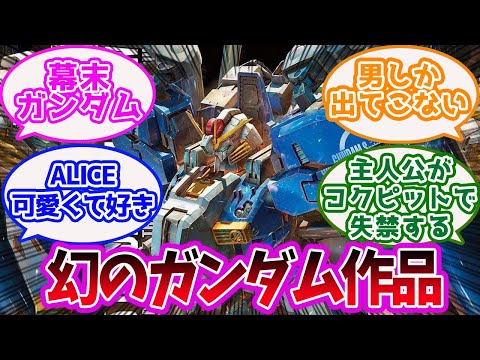
▶ Watch the original YouTube video
Gundam Sentinel, a 1989-1990 manga serialization in Model Graphix magazine, has maintained a devoted fanbase for over three decades despite never receiving a full anime adaptation. This analysis explores why the series’ unique exploration of mobile suit development theory, the Ex-S Gundam’s revolutionary design philosophy, and protagonist Ryo Roots’ complex characterization continue to influence modern Gundam works and captivate audiences today.
What Happened
Gundam Sentinel emerged as an unconventional entry in the Gundam franchise, distributed not through anime or games, but through monthly magazine serialization alongside model kit assembly instructions. The series introduced the Ex-S Gundam, a theoretically optimized experimental mobile suit piloted by ace pilot Ryo Roots, and featured the ALICE artificial intelligence system—concepts that predated similar themes in mainstream anime by years. Despite its niche distribution format, the work has spawned continued fan engagement, new model releases, and thematic influence on subsequent Gundam productions including Mobile Suit Gundam SEED, Gundam UC, and recent series like Mobile Suit Gundam: The Witch from Mercury.
Why It Matters
Gundam Sentinel represents a critical case study in how creative constraints can enhance artistic depth. The series’ limitation to written narrative and static imagery forced creators to prioritize theoretical rigor and reader imagination over visual spectacle. This approach proved influential: the series’ central theme of “mobile suit development through experimental testing” has become a recurring framework in modern Gundam narratives. Additionally, the work’s treatment of artificial intelligence and human-machine collaboration predates mainstream cyberpunk discourse, positioning it as a prescient exploration of themes that would dominate science fiction for decades. For franchise analysis and creative media studies, Gundam Sentinel demonstrates how niche works can achieve lasting cultural significance through intellectual depth rather than mass accessibility.
Background
Gundam Sentinel was serialized in Model Graphix magazine between 1989 and 1990, positioned chronologically between Mobile Suit Gundam 0083: Stardust Memory and Mobile Suit Zeta Gundam. The series departed from the franchise’s established pattern of anime and OVA releases, instead utilizing the unconventional medium of model kit instruction manuals to advance its narrative. This format proved both limiting and liberating: while it restricted visual presentation, it demanded greater theoretical sophistication and narrative economy. The Ex-S Gundam itself represents a departure from typical Gundam design philosophy—rather than a mass-production mobile suit or a prototype destined for field deployment, it functions as a pure experimental platform for testing theoretical optimization principles. Ryo Roots, the protagonist, differs significantly from typical Gundam protagonists: rather than a young civilian thrust into warfare, he is an established military pilot whose internal conflict stems from the contradiction between theoretical perfection and practical military reality.
Key Points
- Unconventional Distribution Format: Serialization in a model kit magazine rather than anime or game media created a unique narrative delivery system that emphasized theoretical depth over visual spectacle
- Ex-S Gundam’s Theoretical Foundation: The mobile suit represents not a power upgrade but a pure experimental platform pursuing theoretical optimization, fundamentally different from other Gundam protagonists’ machines
- Ryo Roots’ Complex Characterization: An ace pilot experiencing existential conflict within military hierarchy, distinct from the archetypal young hero found in most Gundam narratives
- ALICE System’s Prescient AI Themes: The human-AI partnership explored in 1989-1990 predated mainstream cyberpunk discourse and influenced subsequent treatments of artificial intelligence in anime
- Sustained Fan Engagement: Despite minimal mainstream visibility, the series maintains active fandom with continued model releases and thematic influence on contemporary Gundam productions
- Theoretical Framework for Mobile Suit Development: Introduced a systematic approach to understanding mobile suit design philosophy that became foundational to subsequent Gundam narratives
Timeline
- 1989-1990: Gundam Sentinel serialized in Model Graphix magazine
- 1983-1985: Mobile Suit Gundam 0083: Stardust Memory (preceding narrative context)
- 1985-1986: Mobile Suit Zeta Gundam (subsequent narrative context)
- 1995: Ghost in the Shell released, exploring similar AI-human fusion themes that Sentinel had addressed six years earlier
- 2002-2003: Mobile Suit Gundam SEED introduces mobile suit development as central narrative theme, echoing Sentinel’s framework
- 2007-2009: Mobile Suit Gundam UC develops experimental mobile suit concepts aligned with Sentinel’s theoretical approach
- 2022-2023: Mobile Suit Gundam: The Witch from Mercury features experimental mobile suit designs and AI partnership themes continuing Sentinel’s legacy
Perspectives
Multiple interpretations of Gundam Sentinel’s significance have emerged within fan communities and critical analysis. One perspective emphasizes the series’ role as theoretical foundation for the Gundam franchise, arguing that its systematic exploration of mobile suit development principles provided conceptual scaffolding for all subsequent works. This view positions Sentinel as essential reading for understanding Gundam’s intellectual architecture.
A second perspective focuses on the series’ prescient treatment of artificial intelligence and human-machine collaboration. Proponents of this interpretation note that ALICE’s characterization as a thinking partner rather than mere tool predates mainstream AI discourse by years, positioning Sentinel alongside Ghost in the Shell and Appleseed as foundational cyberpunk texts.
A third perspective emphasizes the creative value of Sentinel’s distribution constraints. This interpretation argues that the limitation to written narrative and static imagery forced greater intellectual rigor than visual media would have demanded, resulting in a work of greater theoretical depth precisely because of its formal restrictions.
Critical voices acknowledge legitimate concerns about narrative accessibility and formal incompleteness, noting that the magazine serialization format creates genuine barriers to audience engagement. However, even critics recognize that these formal limitations have paradoxically strengthened the work’s cult status by creating an aura of exclusivity and mystery that sustains fan engagement.
Insights
Gundam Sentinel’s enduring influence reveals several broader principles about creative work and cultural longevity. First, intellectual depth and theoretical rigor can sustain audience engagement independent of mass accessibility or visual spectacle. The series demonstrates that niche audiences will maintain active engagement with works that offer genuine conceptual sophistication, even when distribution and format create significant barriers to entry.
Second, the series exemplifies how creative constraints can enhance rather than diminish artistic achievement. The restriction to written narrative and static imagery forced creators to prioritize clarity of concept and theoretical coherence, resulting in work that influenced subsequent productions despite minimal mainstream visibility.
Third, Gundam Sentinel illustrates the distinction between commercial success and cultural significance. While the series never achieved the audience reach of major anime productions, its thematic and conceptual influence on subsequent works demonstrates that cultural impact operates through multiple channels beyond direct viewership.
Finally, the series’ treatment of universal themes—the contradiction between theoretical perfection and practical reality, the tension between individual agency and institutional constraint, the possibilities and limitations of artificial intelligence—ensures its continued relevance across changing technological and social contexts. These themes transcend their specific Gundam franchise context to address fundamental questions about technology, human purpose, and organizational systems.
The sustained fan engagement visible across Twitter, 5channel, and YouTube comments sections demonstrates that audiences continue to discover and engage with Sentinel’s ideas, with particular interest in understanding why the series has never received full anime adaptation. This ongoing curiosity suggests that the work’s theoretical depth and conceptual innovation continue to generate meaningful discussion decades after initial publication.