▶ Watch the original YouTube video
Why Uma Musume’s Alternate Color Haruuara Became a Massive Trending Topic: A 15-Year Gaming Analysis
Uma Musume’s newly implemented alternate color variant of Haruuara has sparked unprecedented discussion across social media and gaming communities. Drawing on 15 years of gaming industry analysis, this article examines why this character redesign resonates so deeply with players and what it reveals about the evolution of fan culture in modern mobile games.
What Happened
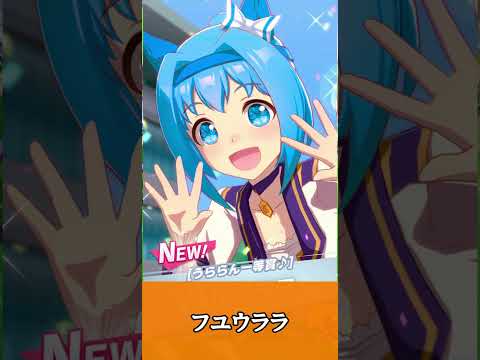
Uma Musume Pretty Derby recently introduced an alternate color variant of the character Haruuara, triggering massive engagement across Twitter, Reddit, and other gaming platforms. The redesign features a dramatically different color palette that fundamentally changes the character’s visual appearance, leading to widespread discussion about its implications for the game and its community. Three weeks after the announcement, the topic continues to generate active conversation, significantly outpacing similar character releases in other games.
Why It Matters
This phenomenon reveals critical insights into how modern gaming communities engage with character variants and the economics of “fan culture” (known as “oshi-katsu” in Japanese gaming circles). The alternate Haruuara demonstrates how game developers strategically leverage character redesigns to maximize player investment and spending. Understanding this trend is essential for comprehending the current state of mobile gaming monetization and player psychology. The sustained attention also indicates a shift in how players value character ownership—moving from collecting single “strongest” versions to pursuing complete collections of character variants.
Background
Uma Musume Pretty Derby launched in 2021 and has become one of the most successful character-driven mobile games by combining horse racing themes with character personification. The game’s design fundamentally embraces fan culture, encouraging players to invest in multiple versions of their favorite characters through limited editions, seasonal variants, and now, alternate color schemes.
Haruuara holds special significance in the game’s narrative. Based on the real racehorse Haruuara, which holds a record of 1,800 consecutive losses in single-win betting, the character embodies themes of perseverance despite repeated failure. This narrative foundation makes the alternate color variant particularly striking—it visually represents a different facet of the character’s identity.
Similar phenomena have occurred in other major titles. Granblue Fantasy (2015) and The Idolmaster Cinderella Girls (2014) both experienced significant community engagement when implementing character variants, but the sustained attention and scale of the Haruuara response appears to exceed these precedents.
Key Points
- Visual Impact Drives Conversation: The dramatic color shift creates a “different character” effect that triggers surprise, debate, and sharing across social media platforms.
- Fan Culture Economics: Players who engage in character collecting view alternate variants as essential purchases, treating complete character collections as the ultimate expression of fandom.
- Psychological Resonance: The redesign represents a new facet of Haruuara’s identity—shifting from “perpetual loser” to potential “victor”—which deepens emotional investment.
- Extended Engagement Duration: Unlike typical character releases that trend for 1-2 months, the alternate Haruuara has maintained active discussion for 3+ weeks, suggesting deeper community investment.
- Monetization Optimization: The implementation perfectly targets players who view acquiring all character variants as a core gameplay goal, maximizing spending incentives.
- Industry Trend Indicator: This release exemplifies the broader 2024 gaming industry shift toward “fan culture monetization” as a primary business model.
Timeline
- 2010s: Color variants gain prominence through Pokémon’s popularity, establishing the concept in gaming culture.
- 2014-2015: The Idolmaster Cinderella Girls and Granblue Fantasy implement character variants, creating precedent for fan engagement with alternate versions.
- 2021: Uma Musume Pretty Derby launches, incorporating fan culture as a core design principle.
- 2024: Alternate color Haruuara is implemented, generating unprecedented sustained discussion compared to similar releases in other titles.
Perspectives
Positive Reception: Dedicated fans and “oshi-katsu” players express enthusiasm, with many stating the new design represents a fresh dimension of their favorite character. Comments emphasize the desire to acquire the variant as an essential component of complete fandom. This segment views the redesign as deepening their connection to the character.
Critical Perspective: Some players express concern that the dramatic visual change strays too far from the character’s established identity. These players argue the variant feels like a different character entirely, questioning whether such radical redesigns align with the original character concept. This criticism primarily comes from players who value consistency in character representation.
Analytical Viewpoint: Gaming industry observers recognize the release as a sophisticated monetization strategy that exploits the psychological appeal of character collection. This perspective acknowledges both the commercial intent and the genuine creative merit in representing different facets of a character’s identity.
Practical Discussion: Community forums debate the character’s in-game performance stats, acquisition methods (gacha vs. event rewards), and predictions about future variant releases for other characters. This segment focuses on gameplay implications and strategic planning.
Insights
The alternate color Haruuara phenomenon marks a significant evolution in how game developers understand and monetize player attachment. The 15-year trajectory from Pokémon’s color variants to the current implementation reveals a sophisticated understanding of fan psychology: players don’t simply want their favorite characters—they want to own every iteration of them.
This trend reflects a fundamental shift in gaming culture. Traditional games measured success through acquiring the single “strongest” unit. Modern games, particularly Uma Musume, measure success through collecting complete character sets. The alternate Haruuara capitalizes on this psychological framework by offering players a new way to deepen their investment in a character they already love.
The sustained discussion also indicates that visual impact combined with narrative resonance creates more durable engagement than gameplay mechanics alone. By redesigning Haruuara to represent a different emotional state—from persistent underdog to potential champion—the developers created a variant that feels narratively justified rather than purely cosmetic.
However, this strategy carries potential risks. While existing players with established favorites find immense value in variants, new players may face a significant barrier to entry. The expectation to collect multiple versions of the same character could discourage newcomers who lack the resources or time investment to build complete collections.
Looking forward, the success of the alternate Haruuara will likely trigger expanded variant implementation across Uma Musume’s roster. Characters with large fan bases—such as Winning Ticket, Tokaiteio, and Daiwa Scarlet—are probable candidates for similar treatment within the next 3-6 months. This expansion could establish character variants as a permanent pillar of the game’s monetization strategy, fundamentally reshaping how players approach long-term engagement.