▶ Watch the original YouTube video
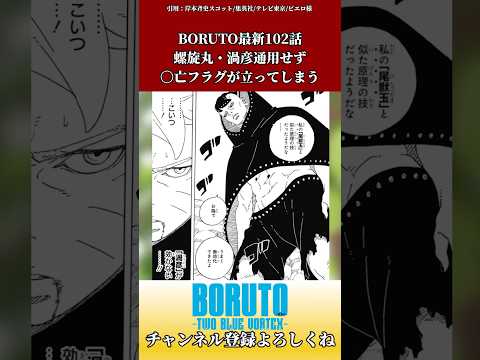
Boruto Episode 102: Rasengan Fails Against New Enemy, Death Flags Emerge—Fan Reactions
In Boruto episode 102, Naruto’s signature Rasengan technique proves ineffective against a powerful new adversary, and multiple characters face potential death. The shocking turn of events has sparked intense debate among fans who have followed the Naruto franchise for over 15 years.
What Happened
Boruto episode 102 features a critical battle sequence where Naruto attempts to use his iconic Rasengan technique against an enemy, only to find it completely ineffective. The episode escalates tensions by introducing death flags for multiple characters, including a character named Uzuhiko, signaling that beloved characters may not survive the coming conflict. This marks a dramatic shift in the narrative, moving from exploration of the enemy’s identity to direct confrontation with overwhelming force.
Why It Matters
This episode represents a pivotal turning point in the Boruto narrative arc. For the first time in the later Naruto saga, the protagonist faces a situation where his most trusted and powerful technique fails. This development challenges the established power dynamics and forces both Naruto and viewers to confront the reality that traditional methods may no longer suffice. The introduction of death flags suggests genuine stakes and potential character losses, elevating the narrative tension significantly.
Background
The Naruto franchise has followed a consistent narrative structure since its inception in 2007. The original series established a pattern of protagonist growth through adversity and defeat. However, by the later stages of Naruto Shippuden, the main character had become so powerful that meaningful defeats became rare. Boruto episode 102 appears designed to reintroduce this element of genuine peril and the need for growth through failure—a thematic return to the franchise’s roots.
The Rasengan, introduced early in the original Naruto series, has served as the protagonist’s signature technique throughout the entire franchise. Its failure in episode 102 carries symbolic weight, suggesting that the enemy possesses either superior strength or tactical knowledge that renders conventional approaches obsolete.
Key Points
- Rasengan Ineffectiveness: Naruto’s signature technique fails to damage or deter the new enemy, marking a rare moment of tactical failure for the protagonist.
- Multiple Character Defeats: Leaf Village shinobi face successive defeats, with the battle situation deteriorating rapidly.
- Death Flag Introduction: Multiple characters receive scenes suggesting potential death, creating genuine narrative uncertainty.
- Fan Shock and Speculation: Social media erupted with surprised reactions, with fans questioning the enemy’s identity and capabilities.
- Narrative Shift: The episode marks the transition from mystery-focused storytelling to direct confrontation with an overwhelming threat.
- Thematic Resonance: The episode aligns with 2024 anime industry trends emphasizing defeat and recovery narratives.
Timeline
- 2007: Original Naruto series begins; Rasengan established as signature technique.
- 2009-2017: Naruto Shippuden era; protagonist becomes increasingly powerful with fewer meaningful defeats.
- 2017-Present: Boruto series begins; narrative gradually introduces new threats and challenges.
- Episode 102 (Current): Critical turning point featuring Rasengan failure and death flags.
- Expected 1-3 Episodes: Potential character deaths and narrative consequences.
- Expected 5-10 Episodes: Introduction of new techniques or power acquisition.
Perspectives
Fan Reaction Analysis: Social media responses reveal three distinct interpretations. First, shock and disbelief dominate initial reactions, with comments like “The Rasengan doesn’t work?” and “This is unbelievable.” Second, anxiety emerges regarding character survival, with fans questioning whether Uzuhiko and other characters will actually die. Third, appreciation surfaces for narrative progression, with viewers expressing excitement that “the story is finally moving” and anticipation for the recovery arc.
Enemy Analysis: Fans speculate about the adversary’s nature across multiple dimensions. Some theorize the enemy possesses greater raw power than previous antagonists. Others suggest the enemy understands the fundamental nature of Naruto’s abilities and has developed specific countermeasures. A third group proposes the enemy relies on tactical superiority rather than pure strength.
Comparative Analysis: The episode’s narrative strategy mirrors successful anime precedents. Attack on Titan’s first episode shocked viewers by violating the assumption of protagonist invulnerability. Jujutsu Kaisen’s Shibuya Incident arc featured simultaneous defeats of multiple strong characters, elevating narrative stakes. Boruto episode 102 employs similar techniques to signal genuine danger and narrative escalation.
Insights
Boruto episode 102 represents a deliberate narrative choice to reintroduce meaningful defeat as a catalyst for character growth. The Naruto franchise originated from themes of overcoming adversity through persistence and learning from failure. While the protagonist’s power growth in later arcs diminished these themes, episode 102 consciously restores them.
The episode’s timing aligns with broader 2024 anime industry trends. From 2019-2021, anime emphasized protagonist invincibility. From 2022-2023, narratives shifted toward demonstrating protagonist limitations. The current period emphasizes defeat and recovery as central themes. Boruto episode 102 positions itself within this industry-wide narrative movement, suggesting the creative team recognizes audience appetite for stories exploring how characters respond to genuine failure.
The introduction of death flags serves multiple narrative functions. Mechanically, it creates genuine uncertainty about character survival. Thematically, it emphasizes that previously safe assumptions no longer apply. Psychologically, it forces viewers to reconsider character value—characters become more meaningful precisely because their survival is uncertain.
Looking forward, the narrative likely follows an established pattern: character deaths within 1-3 episodes, psychological crisis for the protagonist within 3-5 episodes, exploration of new techniques or powers within 5-10 episodes, and eventual alliance-building for counteroffensive within 10-15 episodes. The critical question becomes not whether recovery occurs—the franchise structure guarantees it—but rather what form that recovery takes and what new capabilities emerge from this defeat.