▶ Watch the original YouTube video
How VTuber Ontasumi Became Unexpectedly ‘Mouse-Like’: The Art of Character Discovery in VTuber Culture
VTuber fans have discovered that Ontasumi exhibits surprisingly “mouse-like” characteristics—a phenomenon that reveals how VTuber culture differs fundamentally from traditional anime and gaming fandoms. Rather than adhering to official character designs, viewers actively construct and share new interpretations of their favorite streamers through real-time broadcast observations, creating dynamic community-driven character evolution.
What Happened
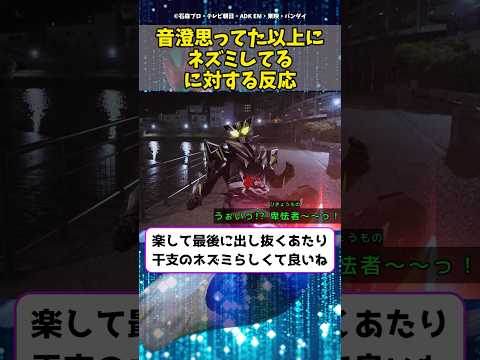
A viral observation has emerged within the VTuber community: Ontasumi, a popular virtual streamer, displays unexpectedly “mouse-like” behavioral traits during broadcasts. This characterization—expressed in the phrase “more mouse-like than expected”—has spread across social media platforms including Twitter, YouTube comments, and 5channel forums. Rather than functioning as criticism, this assessment represents a form of affectionate character reinterpretation that has become central to how fans engage with and understand the streamer’s personality.
Why It Matters
This phenomenon illustrates a fundamental distinction between VTuber culture and traditional character interpretation in anime and gaming. Unlike static fictional characters whose personalities are predetermined by creators, VTubers exist in a state of continuous real-time performance. Their actual on-stream behavior, reactions, and spontaneous moments create opportunities for viewers to discover unexpected character dimensions. These discoveries, when shared and validated by the community, reshape how the character is collectively understood and appreciated. This process demonstrates how modern fan communities actively participate in character construction rather than passively consuming predetermined narratives.
Background
VTuber culture emerged in the late 2010s as a hybrid entertainment format combining animated avatars with live streaming. Unlike traditional anime characters whose traits are finalized during production, VTubers broadcast daily, allowing audiences direct access to unscripted reactions and spontaneous behavior. This real-time dimension fundamentally changes how character perception develops. Over the past five years, the VTuber industry has observed a consistent pattern: the gap between official character descriptions and actual on-stream personality often becomes the primary driver of fan attachment and community bonding.
The “mouse-like” characterization of Ontasumi exemplifies this broader trend. It emerged organically from viewer observations rather than official marketing materials, suggesting that fans value authentic, unpredictable behavior over carefully curated personas.
Key Points
- Character reinterpretation as community practice: Ontasumi’s “mouse-like” designation represents viewers discovering and collectively validating unexpected personality dimensions through shared observation.
- Real-time discovery mechanism: Unlike pre-recorded anime, VTuber broadcasts enable audiences to witness spontaneous reactions that contradict or expand upon official character settings.
- Affection through rediscovery: The “mouse-like” assessment functions as positive characterization, expressing fondness for traits including agility, alertness, cuteness, and unpredictability.
- Community bonding through interpretation: Shared character discoveries strengthen fan communities by creating common reference points and inside jokes across social platforms.
- Industry-wide pattern: This phenomenon reflects a broader VTuber industry trend where gaps between official personas and authentic broadcast behavior drive fan loyalty more effectively than polished character designs.
- Democratization of character definition: Viewer-generated character interpretations now rival or exceed official character descriptions in shaping how audiences understand and appreciate VTubers.
Timeline
- 2019: Early observation of character reinterpretation phenomenon in major VTuber group broadcasts, where official “cool and intellectual” personas contradicted actual “naturally airheaded” on-stream behavior.
- 2021: Documented instances of viewer excitement upon discovering unexpected character dimensions during live broadcasts, with immediate community engagement in comment sections.
- 2022-2024: Acceleration of “character gap” as industry-wide trend, with new VTuber debuts increasingly featuring significant differences between official settings and authentic broadcast personalities.
- Recent: Ontasumi’s “mouse-like” characterization gains traction across multiple platforms, demonstrating mature community consensus around character reinterpretation.
Perspectives
The Viewer Perspective: Fans interpret Ontasumi’s “mouse-like” qualities as endearing rather than critical. The characterization encompasses agility in reactions, alertness to chat interactions, cute vocal qualities, unpredictable behavior patterns, and dexterous handling of diverse content types. These observations emerge from genuine appreciation of the streamer’s authentic personality rather than adherence to official marketing.
The Cultural Analysis Perspective: VTuber culture represents a departure from anime and gaming fandoms where character traits remain fixed. The real-time broadcast format creates what might be termed “dynamic character evolution,” where audiences actively participate in defining personality through observation, discussion, and shared interpretation. This differs fundamentally from traditional fan theories about static fictional characters.
The Community Perspective: The “mouse-like” designation has evolved from initial observation into community vernacular and inside jokes. This transformation reflects how viewer communities transform individual discoveries into shared cultural artifacts that strengthen group identity and engagement.
Insights
The Ontasumi “mouse-like” phenomenon reveals several critical insights about contemporary VTuber culture and digital entertainment more broadly.
First, authenticity now outweighs official character design in determining fan attachment. Viewers demonstrably prefer streamers whose actual behavior diverges from predetermined personas, suggesting that audiences value genuine personality over polished marketing. This represents a significant shift from traditional entertainment models where character consistency was paramount.
Second, the real-time broadcast format has fundamentally altered how character meaning is constructed. Unlike anime characters whose personalities conclude at production, VTubers exist in perpetual states of discovery. Each broadcast potentially reveals new dimensions, maintaining viewer investment through the promise of continued revelation. This mechanic creates stronger long-term engagement than static character designs can achieve.
Third, fan communities now function as active character interpreters rather than passive consumers. The collective validation of the “mouse-like” characterization demonstrates how modern audiences co-create meaning through observation, discussion, and shared language. This participatory dimension transforms fans from audience members into cultural collaborators.
Finally, the VTuber industry appears to be recognizing this pattern. Newer VTuber debuts increasingly feature intentional gaps between official descriptions and authentic personalities, suggesting that industry professionals understand viewer preferences for authentic unpredictability over carefully controlled personas.
The “mouse-like” characterization of Ontasumi is ultimately a small expression of a much larger cultural phenomenon: the emergence of participatory character construction in real-time digital entertainment. As VTuber culture continues evolving, this dynamic between official design and authentic discovery will likely remain central to how audiences engage with and appreciate their favorite streamers.