▶ Watch the original YouTube video
How Anime Fans Choose: A 15-Year Analysis of Character Preference and Fan Psychology
A comprehensive analysis of how anime fans respond to the classic question “Which character type appeals to you?” reveals that character preference is far more complex than simple aesthetics, shaped by personal experience, voice acting, narrative design, and evolving fan culture. Over 15 years of viewing hundreds of anime and playing hundreds of games, one editor explores how this seemingly simple question unlocks deeper insights into viewer psychology and industry strategy.
What Happened
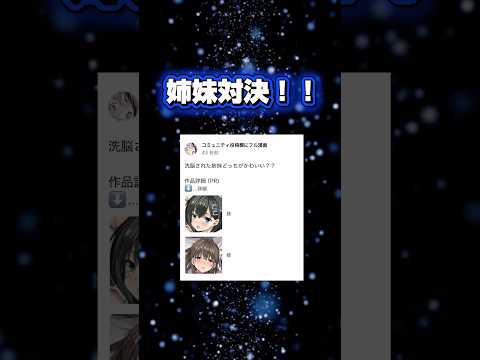
A video compilation of fan reactions to the question “Which character type appeals to you?” has sparked renewed discussion about how anime audiences evaluate and choose their favorite characters. The video showcases diverse viewer responses, revealing patterns in how different demographics and fan communities approach character preference. This phenomenon reflects broader shifts in anime fandom culture, from binary character choices to more nuanced, multi-layered appreciation of ensemble casts.
Why It Matters
Character preference questions have become a fundamental tool for understanding anime audiences and fan psychology. They reveal not just aesthetic preferences, but deeper insights into how viewers connect with narratives, how production teams design characters for maximum emotional impact, and how fan communities have evolved in the social media age. The shift from simple “which character do you prefer” to more complex evaluations reflects the maturation of anime fandom and the industry’s increasingly sophisticated understanding of audience engagement.
Background
The question “Which character type appeals to you?” has been a staple of anime fan communities for over a decade. What began as casual discussion threads on forums like 2channel has evolved into a sophisticated cultural phenomenon, with fan preferences now tracked across multiple social media platforms. The original observation of this trend dates back approximately 13 years, coinciding with the early era of late-night anime broadcasting in Japan. Since then, the anime industry has undergone significant changes: character design has become more deliberately multi-faceted, media franchises now span multiple platforms (anime, manga, novels, games, merchandise), and the fan demographic has expanded far beyond its original audience of teenage and young adult males.
Key Points
- Character preference is influenced by multiple factors beyond appearance, including personality, backstory, voice acting performance, and narrative role
- Viewer preferences often shift across multiple viewings as they gain deeper understanding of character complexity and story structure
- Different anime genres trigger different intensities of character preference discussion—romance and school comedy genres generate more debate than serious narrative-driven shows
- Modern “fan culture” has evolved from binary choices to support for multiple characters simultaneously, reflecting broader social media trends
- Production teams deliberately design multiple appealing characters to capture diverse audience segments and encourage repeat viewership
- Fan reactions across platforms (Twitter, YouTube, Reddit, traditional forums) reveal how character appreciation has become more public and community-driven
Timeline
- 2006: Early observation of character preference discussions in anime communities; initial viewing of works like “The Melancholy of Haruhi Suzumiya”
- 2000s–2010s: Character preference debates concentrated on 2channel forums and limited online communities
- 2010s: Rise of Twitter and social media platforms; fan culture becomes increasingly visible and public
- 2019: “Demon Slayer” phenomenon demonstrates shift toward ensemble cast appreciation rather than single protagonist focus
- 2020s: Multiple-choice voting systems replace binary preference questions; complex evaluation frameworks emerge
Perspectives
The Evolution of Fan Preference: Character preference has transformed from a simple “which do you like better” question into a complex evaluation system. Early anime fandom operated within a framework of clear hierarchies—main heroine versus secondary characters. Contemporary fandom recognizes that viewers may simultaneously appreciate different characters for different reasons: romantic appeal, narrative importance, character development, voice performance, or thematic resonance.
Production Strategy: Modern anime production deliberately designs multiple compelling characters to appeal to diverse audience segments. This represents a shift from earlier strategies that concentrated emotional investment on a single protagonist or primary love interest. Works like “The Quintessential Quintuplets” and “Kaguya-sama: Love Is War” exemplify this approach, where each character receives sufficient development to generate genuine fan support.
Generational and Demographic Shifts: Anime viewership has expanded beyond its original demographic. Female viewers, older audiences, and international fans now constitute significant portions of the audience. Each demographic may evaluate characters through different lenses—romantic appeal, relatable personality traits, narrative agency, or thematic alignment—leading to genuinely diverse preference patterns rather than manufactured disagreement.
The Social Media Effect: Public declaration of fan preferences has become normalized through social media platforms. This visibility creates communities of fans with shared preferences and enables more sophisticated discussion of “why” fans prefer specific characters, moving beyond simple declarations toward analytical engagement.
Insights
The “which character appeals to you” question functions as a barometer for understanding both viewer psychology and industry strategy. Over 15 years of observation reveals that character preference is not static but evolves with viewer maturity and repeated engagement with narratives. A character that appeals on first viewing through surface-level charm may be superseded by a more complex character upon second viewing, reflecting the viewer’s deeper understanding of narrative structure and character psychology.
This phenomenon indicates that anime production has become increasingly sophisticated in its character design. Rather than creating a single “correct” favorite character, production teams now engineer multiple entry points for audience connection. This strategy acknowledges that different viewers bring different life experiences, values, and interpretive frameworks to the same narrative.
The shift from binary preference (“A or B?”) to multi-dimensional appreciation (“favorite character,” “most relatable character,” “character I want to support”) reflects broader cultural maturation. Contemporary fandom recognizes that preferences need not be mutually exclusive and that supporting multiple characters simultaneously is not contradictory but rather demonstrates deeper engagement with ensemble narratives.
However, this evolution also raises critical questions about commercialization. The anime industry’s deliberate design of multiple appealing characters, while respecting fan diversity, also creates multiple consumer touchpoints. Each character generates corresponding merchandise, fan content, and engagement opportunities, potentially transforming fan preference from genuine emotional connection into consumption behavior.
Looking forward, character preference discussions will likely continue evolving toward more analytical frameworks. Rather than simple declarations of preference, fans increasingly seek to articulate the specific narrative, psychological, or performance elements that generate their connection to characters. This represents a maturation of fan discourse from “I like this character” to “I appreciate this character because of these specific qualities and how they function within the narrative.”
The diversity of reactions captured in fan response compilations ultimately demonstrates that contemporary anime fandom has achieved a level of sophistication where multiple valid interpretations and preferences can coexist. This reflects both the industry’s growing understanding of audience complexity and the audience’s own evolution toward more nuanced critical engagement with the medium.