▶ Watch the original YouTube video
Why Oshawott Remains Beloved Despite Weak Battle Performance: A Deep Dive Into Pokémon Fandom Culture
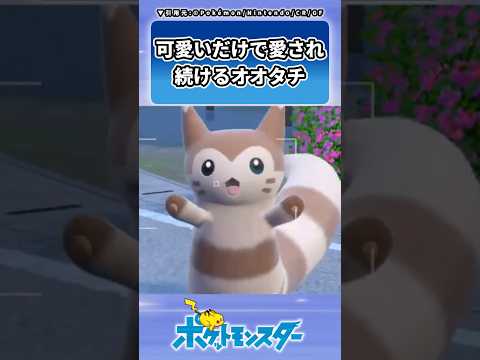
A viral video compilation showcasing trainers’ passionate reactions to Oshawott reveals a fundamental shift in Pokémon fandom: affection for characters is no longer determined by battle strength or rarity, but by visual appeal and personal nostalgia. This phenomenon reflects how modern gaming communities prioritize emotional connection and individual expression over competitive performance metrics.
What Happened
A video compilation has gone viral featuring trainers sharing their genuine affection for Oshawott, a Generation II Pokémon introduced in Gold and Silver. The video captures diverse reactions from players across different age groups and experience levels, all expressing deep emotional attachment to the character. Despite Oshawott’s mediocre competitive battle stats—with base Attack at 110 but Special Attack at 65 and Defense at 60—the Pokémon continues to receive unwavering support from the community, with many trainers actively featuring it in their teams regardless of competitive viability.
Why It Matters
Oshawott’s enduring popularity despite its competitive weakness reveals a significant cultural shift in how gaming communities engage with character-driven franchises. This trend demonstrates that modern fandom has evolved beyond traditional metrics of power and rarity. The phenomenon indicates that Pokémon has successfully transitioned from a purely competitive gaming experience to an emotional, character-focused content platform. Understanding this shift is crucial for game developers, content creators, and community managers seeking to build lasting engagement in character-driven franchises. The Oshawott case study shows how visual design, nostalgic connection, and community expression have become more influential than mechanical balance in determining character popularity.
Background
Oshawott first appeared in Generation II (Gold and Silver versions) over two decades ago. Unlike many Pokémon that gain popularity through competitive dominance or rare availability, Oshawott achieved its status through a combination of factors: its distinctive upright posture, endearing facial features, and the nostalgic memories players associate with the Johto region. The character has maintained consistent popularity across multiple game generations, including remakes like HeartGold and SoulSilver, and continues to appear prominently in the trading card game and anime series.
The broader context involves a 20+ year evolution of Pokémon fandom. Early generations (I-III) prioritized competitive performance and collection completion. However, as the franchise expanded and social media became ubiquitous, a new culture emerged where players openly express “favorite Pokémon” preferences, share fan content, and build communities around specific characters regardless of their battle utility.
Key Points
- Emotional Connection Over Performance: Trainers’ attachment to Oshawott stems from personal memories and emotional bonds rather than competitive viability or game mechanics.
- Visual Design Excellence: Oshawott’s distinctive upright posture and charming appearance create an instantly recognizable and endearing silhouette that resonates across demographics.
- Cross-Generational Appeal: The Pokémon attracts support from both longtime fans who experienced Gold and Silver in their youth and newer players discovering the character through modern releases.
- “Oshi” Culture in Gaming: Modern Pokémon fandom has adopted “oshi” (favorite character) culture from idol and VTuber communities, with trainers actively promoting and celebrating their chosen Pokémon on social media.
- Weakness as Appeal: Paradoxically, Oshawott’s lack of competitive strength may enhance its appeal by allowing trainers to express individuality and differentiate themselves from mainstream competitive players.
- Community Validation: The viral video demonstrates that Oshawott enthusiasts are not isolated—they represent a significant, visible community actively sharing their passion online.
Timeline
- 20+ years ago: Oshawott introduced in Generation II (Gold and Silver versions)
- 15+ years ago: Author began tracking Pokémon character popularity trends and generational shifts
- Past 5 years: “Oshi” culture becomes mainstream in Pokémon fandom; social media drives character-focused engagement
- Recent: Viral video compilation showcases widespread trainer affection for Oshawott, validating the character’s cultural significance
Perspectives
The Competitive Player Perspective: Traditional competitive players may view Oshawott’s popularity as puzzling, given its suboptimal battle stats. However, this perspective overlooks the reality that most players prioritize enjoyment and personal expression over tournament viability.
The Casual Fan Perspective: Casual players and collectors celebrate Oshawott as a perfect example of how Pokémon transcends competitive gaming. For these fans, the character represents freedom to choose based on personal preference rather than meta-game requirements.
The Developer Perspective: Game designers can view Oshawott’s sustained popularity as validation that character design, visual appeal, and nostalgic connection are equally important as mechanical balance. This suggests that investing in character-driven content and visual polish yields long-term engagement benefits.
The Community Manager Perspective: The viral video demonstrates the value of facilitating spaces where fans can openly express affection for niche or underperforming characters. Community-driven content amplifies engagement and creates organic marketing opportunities.
Insights
The Oshawott phenomenon reveals that modern gaming franchises operate on multiple engagement layers simultaneously. While competitive players focus on battle mechanics and balance, character-focused fans engage through visual appreciation, nostalgic connection, and community expression. Rather than competing, these engagement modes complement each other, creating a diverse ecosystem where different player types find value.
The shift from performance-based to appearance-based character preference reflects broader cultural changes in how communities form around shared interests. Social media has democratized fan expression, allowing players to celebrate “weak” characters without judgment and find others who share their preferences. This has transformed Pokémon from a competitive game into a character-driven platform where emotional investment matters more than mechanical advantage.
Oshawott’s case also demonstrates the importance of visual design in character longevity. The distinctive upright posture and proportions create an instantly memorable silhouette that transcends language and cultural barriers. This design excellence explains why Oshawott maintains appeal across generational cohorts—the visual appeal is immediate and universal.
However, this trend raises important questions about franchise direction. As visual and emotional factors increasingly outweigh mechanical balance, developers must ensure that character popularity does not create pressure to neglect game balance or that competitive players do not feel alienated by a character-focused culture. The healthiest franchises maintain space for both competitive engagement and casual character appreciation.
Ultimately, Oshawott’s enduring popularity validates a fundamental truth: players form lasting emotional bonds with games through characters, not spreadsheets. As the Pokémon franchise continues to evolve, recognizing and celebrating these emotional connections—whether to powerful legendary Pokémon or humble, beloved characters like Oshawott—will remain central to maintaining long-term community engagement and franchise vitality.