▶ Watch the original YouTube video
Shikamaru’s ‘Knight Pawn’ Philosophy: How Naruto’s Most Strategic Character Defines Maturity
Shikamaru Nara’s declaration “I am a knight pawn” has resonated deeply with Naruto fans for over a decade, revealing a profound statement about self-awareness and strategic thinking. This analysis explores how one line of dialogue encapsulates the essence of character maturity and the broader strategic philosophy embedded in the Naruto series.
What Happened
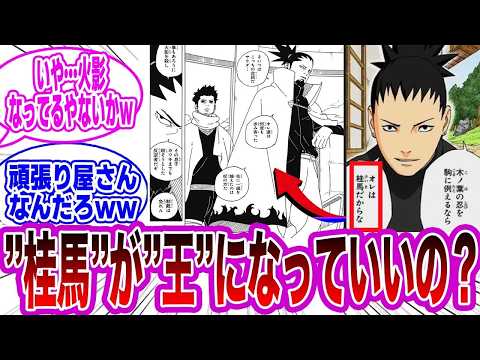
Shikamaru Nara, a supporting character in the Naruto series, made a pivotal statement: “I am a knight pawn.” This single line, delivered during the Fourth Shinobi World War arc, has become one of the most analyzed and celebrated moments in the series. The statement uses a shogi (Japanese chess) metaphor to describe his understanding of his role within the larger strategic framework of the ninja world. Rather than positioning himself as a main piece like the king or rook, Shikamaru identifies with the knight pawn—a piece known for its unpredictable, unconventional movement patterns.
Why It Matters
This declaration represents far more than a simple self-assessment. It encapsulates a philosophy of maturity, self-awareness, and acceptance of one’s role within a larger system. For readers and viewers who have followed Shikamaru’s journey since the series began in 2002, this moment symbolizes the culmination of his character development from a talented but reluctant ninja into a fully realized strategic leader. The statement has resonated particularly strongly with adult audiences who recognize in Shikamaru’s philosophy a reflection of their own life experiences—the transition from youthful ambition to mature acceptance of responsibility and role-specific excellence.
Background
Shikamaru’s character arc spans the entire Naruto narrative, beginning with his introduction during the Chunin Exams arc. Initially presented as an intelligent but lazy ninja, Shikamaru gradually reveals exceptional strategic and tactical abilities. His father, Shikaku Nara, serves as the head of the Nara clan and a high-ranking military strategist, establishing a family legacy of strategic thinking. Throughout the series, Shikamaru transitions from a support character to a crucial strategic leader, eventually becoming the Hokage’s advisor. The “knight pawn” statement emerges during the Fourth Shinobi World War, representing the culmination of his journey toward complete self-understanding and mature acceptance of his unique role.
Key Points
- Shikamaru’s “I am a knight pawn” statement uses shogi metaphor to express strategic self-awareness and understanding of his unique role
- The knight pawn in shogi moves unpredictably compared to other pieces, making it a powerful but unconventional force—mirroring Shikamaru’s approach to strategy
- This declaration demonstrates Shikamaru’s complete acceptance that his value lies not in being a primary combatant but in his unique strategic capabilities
- Reader and viewer reactions across social media platforms reveal overwhelming appreciation for the depth of character development this statement represents
- The statement marks a turning point in Shikamaru’s maturation, symbolizing his transition from talented individual to responsible organizational leader
- Shikamaru’s philosophy reflects a broader trend in contemporary anime toward valuing strategic thinking and intellectual capability alongside physical prowess
The Essence of Strategic Self-Recognition
The shogi metaphor underlying Shikamaru’s declaration carries profound significance. In shogi, the knight pawn occupies a unique position: unlike other pieces with predictable movement patterns, the knight pawn moves in an L-shaped pattern that appears irregular and difficult to anticipate. This unpredictability becomes a strategic advantage when properly deployed. Shikamaru’s identification with this piece suggests his recognition that his strength lies not in conventional combat power but in his ability to move through situations in unexpected ways, creating advantages through unconventional thinking.
This self-awareness demonstrates mature strategic thinking. Rather than aspiring to be the king (like Naruto) or the rook (a powerful primary piece), Shikamaru accepts and embraces his role as the knight pawn. This acceptance is not resignation but rather a clear-eyed recognition of where his true value lies. Throughout the series, Shikamaru consistently proves that this role—the strategic orchestrator working from behind the scenes—carries equal or greater importance than front-line combat positions.
Character Development Timeline
- Early Series (2002-2005): Shikamaru introduced as intelligent but unmotivated ninja, initially serving primarily support functions
- Chunin Exams Arc (Episodes 20-40): First demonstration of strategic talent during third exam competition
- Leaf Village Crisis Arc (Episodes 70-90): Shikamaru begins accepting responsibility beyond personal capability
- Akatsuki Conflict Arc (Episodes 200-300): Emergence as mature strategist; father’s death marks symbolic transition to adult responsibility
- Fourth Shinobi World War Arc (Episodes 320-500): Complete maturation as organizational strategist; “knight pawn” declaration represents culmination of this arc
Perspectives and Reader Reactions
The response to Shikamaru’s “knight pawn” statement across online platforms reveals consistent themes. On Twitter, the hashtag #ShikamaruSupport regularly trends, with users frequently commenting that Shikamaru represents the true protagonist of Naruto, arguing that his rational, strategic approach to challenges contrasts meaningfully with Naruto’s emotionally-driven decision-making. One widely-shared tweet noted: “Naruto acts from emotion, but Shikamaru acts from reason. The difference is clear.”
On discussion forums like 5channel, the statement has been analyzed as “one of anime’s finest expressions of self-recognition,” with commenters emphasizing how completely this single line encapsulates Shikamaru’s character essence. YouTube comments frequently feature viewers noting that they only understood the statement’s full meaning upon reaching adulthood, suggesting that the character’s philosophy gains resonance as audiences mature.
Some critical voices have questioned whether Shikamaru’s acceptance of a support role represents limitation rather than strength, arguing he should take more prominent positions. However, this criticism itself validates the statement’s depth—Shikamaru’s philosophy explicitly rejects the assumption that prominence equals value. His understanding that organizational success depends on strategists working effectively from supporting positions demonstrates mature thinking that transcends conventional hierarchies.
Broader Industry Context
Shikamaru’s emphasis on strategic thinking reflects and has influenced a broader trend in contemporary anime. Characters like Erwin Smith from Attack on Titan, Kagaya Ubuyashiki from Demon Slayer, and Gojo Satoru from Jujutsu Kaisen all emphasize strategic and intellectual capabilities alongside or even above combat prowess. This shift suggests that audiences increasingly value knowledge, planning, and organizational thinking as narrative elements equal to action sequences. Shikamaru, who pioneered this character archetype within the shonen genre, demonstrated that strategic depth could captivate audiences as effectively as combat spectacle.
Insights and Implications
Shikamaru’s “knight pawn” philosophy addresses fundamental questions about maturity, purpose, and self-actualization. The statement suggests that true maturity involves understanding one’s unique capabilities and accepting the role where those capabilities create maximum value, rather than pursuing positions of apparent prominence. This resonates particularly strongly with adult readers navigating professional and personal responsibilities.
The shogi metaphor also emphasizes that different roles carry equal strategic importance. A knight pawn, properly positioned, can determine the outcome of a game as decisively as a king or rook. By accepting his role as the organizational strategist, Shikamaru does not diminish himself but rather positions himself where his talents create maximum impact. This philosophy suggests that societal value should not be measured solely by hierarchical position but by the quality and importance of contribution.
Furthermore, the statement reflects Naruto’s broader thematic exploration of how diverse individuals with different strengths can work together toward common goals. Shikamaru’s acceptance of his unique role complements Naruto’s emotional leadership, Sasuke’s combat prowess, and other characters’ specialized abilities. The series suggests that organizational success depends on individuals understanding their strengths and accepting roles where those strengths matter most.
The enduring resonance of this single line demonstrates how character-driven storytelling can convey complex philosophical ideas through simple, memorable statements. Shikamaru’s declaration has become a touchstone for audiences seeking to understand their own roles and responsibilities, suggesting that fiction’s greatest value sometimes lies not in spectacular action sequences but in moments of quiet, profound self-recognition.