▶ Watch the original YouTube video
The Hidden Charm of Shirobei and Haniwakun: A Deep Analysis of Ninja Boy Rantaro’s Most Compelling Character Pair
After 15 years of anime viewership, a seasoned analyst examines why Shirobei and Haniwakun—a seemingly minor character pairing in the long-running series Ninja Boy Rantaro—has captivated fans with unexpected depth. Through character placement strategy, narrative design, and fan psychology, this article reveals how the series demonstrates masterful character development in extended anime productions.
What Happened
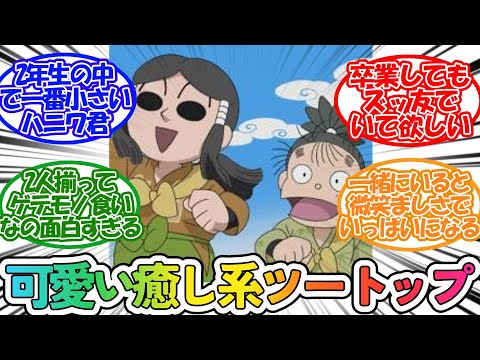
Within the fan community of Ninja Boy Rantaro, a long-running school comedy anime, two second-year students—Shirobei and Haniwakun—have emerged as an unexpectedly beloved character pairing. Despite limited screen time, their relationship has sparked extensive online discussion and fan analysis, with viewers expressing deep emotional investment in their dynamic. The character pairing exemplifies how strategic character placement and narrative restraint can generate profound fan engagement in extended anime series.
Why It Matters
This phenomenon reveals important truths about character design in long-running anime productions. The Shirobei and Haniwakun pairing demonstrates how creators can integrate new characters while deepening existing ones, how visual and narrative subtlety can enhance emotional resonance, and how limited screen time paradoxically strengthens fan investment through imaginative interpretation. For anime creators, screenwriters, and character designers, this case study illustrates the mechanics of effective character chemistry and audience psychology in serialized storytelling.
Background
Shirobei initially appeared as a character with a clear motivation: pursuing another student named Saburo. Her character arc shifts when Haniwakun is introduced—a second-year student with a mysterious background and occult knowledge. Notably, Haniwakun originates from a different work titled Hamkomairu and appears in Ninja Boy Rantaro through a remake version created by former assistant Ogura Anko. This cross-property character integration, known as a “star system” in anime production, adds another layer to their relationship’s construction.
The visual design reinforces their dynamic: Haniwakun is voiced by a male voice actor and is depicted as the smallest member of the second-year class. In the original manga, Shirobei was black; the anime redesigned her as white, creating visual distinction. These details—seemingly minor—function as deliberate compositional choices that shape how audiences perceive their interaction.
Key Points
- Character Integration Strategy: Haniwakun’s introduction serves as a catalyst for Shirobei’s character growth, transforming her from a character defined by pursuit of another into one capable of forming meaningful friendships.
- Visual and Vocal Differentiation: Height differences, voice actor gender, and color design create subtle psychological distance that audiences unconsciously interpret as distinct perspectives and complementary personalities.
- Narrative Restraint as Strength: Limited screen time paradoxically deepens fan engagement by leaving narrative space for interpretation and speculation, mirroring successful strategies seen in series like Gintama.
- Thematic Resonance: Both characters are depicted as “works in progress”—the second-year class has not yet undergone certain training milestones—allowing their relationship to form during a vulnerable growth phase that audiences find emotionally compelling.
- Fan Psychology: Comments like “I want to breathe the air around these two” indicate fans recognize a “chemical reaction” between characters, valuing the relational space itself rather than individual character traits.
- Subtle Characterization: Despite appearing reserved or difficult, both characters reveal internal kindness through careful observation, rewarding attentive viewers with deeper understanding of their true nature.
Comparative Analysis: Character Pairing Across Anime
The Shirobei and Haniwakun dynamic shares structural similarities with acclaimed character pairings in contemporary anime:
| Series | Character Pairing | Relationship Dynamic | Shared Element with Shirobei & Haniwakun |
|---|---|---|---|
| Haikyu!! | Kageyama × Tsukishima | Contrasting personalities form complementary bond | Growth-phase relationship formation; mutual understanding of weakness |
| My Hero Academia | Deku × Bakugo | Rival dynamic evolves into friendship | Initial distance transforms into intimate connection |
| Attack on Titan | Reiner × Bertholdt | Shared secrets deepen relationship | Heavy backstory functions as relational catalyst |
What distinguishes Shirobei and Haniwakun is their placement within a long-running school comedy rather than a narrative-driven action series. This context amplifies the subtlety of their development, as their growth occurs alongside episodic storytelling rather than within a driving plot arc.
The Role of Limited Screen Time
Paradoxically, the restricted appearance of this pairing strengthens rather than weakens fan investment. Fan communities have developed extensive analytical frameworks around minimal scenes—examining facial expressions, dialogue subtext, and visual composition. This mirrors the fan engagement strategy that made Gintama particularly successful: characters with limited but carefully crafted moments generate deeper speculation and affection than those with abundant but generic screen time.
The restraint appears intentional. By avoiding over-explanation of their bond, the series invites audiences to discover the relationship’s depth through observation rather than exposition. This approach respects viewer intelligence and activates imaginative interpretation.
Fan Community Insights
Online fan responses reveal sophisticated analytical engagement. Viewers note specific details—shared eating habits discovered in background scenes, subtle expression changes, the significance of their height difference within group compositions. Comments like “these kids are really good people” indicate fans perceive internal kindness beneath reserved exteriors, suggesting character complexity that rewards careful attention.
The phrase “I want to breathe the air around these two” transcends simple preference, indicating recognition of relational chemistry itself as valuable. This reflects what might be termed “space appreciation”—valuing the emotional atmosphere generated between characters rather than individual character traits alone.
Production Intent and Design Strategy
Several production choices suggest deliberate compositional strategy:
Character Integration: Long-running anime face the challenge of introducing new characters while maintaining existing relationships. Haniwakun’s integration through a “heavy” backstory provides narrative justification for his presence while creating emotional depth that enriches Shirobei’s character arc.
Visual Differentiation: The anime’s redesign of Shirobei from black to white, combined with Haniwakun’s small stature and male voice casting, creates visual and auditory distinction. This unconsciously signals to audiences that these characters perceive the world differently—a form of non-verbal characterization.
Narrative Positioning: Placing their relationship formation during the second-year period—before certain training milestones—emphasizes their status as “works in progress.” This vulnerability makes their bond more resonant, as audiences witness mutual support during formative stages.
Broader Implications for Anime Production
The success of this character pairing illustrates several principles applicable to serialized anime:
Complementary Design: Characters need not be identical or explicitly opposed to form compelling relationships. Subtle differences in perspective, background, and personality can generate chemistry more organic than obvious contrast.
Restraint as Narrative Tool: Limited screen time, when carefully composed, generates more fan engagement than abundant but underdeveloped appearances. Quality supersedes quantity in character development.
Audience Intelligence: Fans respond to subtlety and reward creators who trust viewers to interpret subtext. Explicit explanation of character bonds often diminishes their power.
Long-Form Storytelling Advantages: Extended series allow character relationships to develop gradually across seasons, creating depth impossible in shorter narratives. This temporal dimension adds richness to character dynamics.
Insights and Future Considerations
The Shirobei and Haniwakun phenomenon demonstrates that character appeal in anime extends beyond individual traits to encompass relational dynamics and the narrative spaces between characters. Their limited presence paradoxically strengthens fan investment by inviting imaginative interpretation rather than prescriptive explanation.
The pairing exemplifies how strategic character placement—considering visual design, vocal performance, narrative positioning, and screen time allocation—can generate profound emotional resonance. For creators, this case illustrates that character development in long-running series benefits from subtlety, restraint, and trust in audience perception.
Looking forward, fan anticipation centers on how these characters will develop as they progress to third-year status. Their evolution during this transition will likely determine whether their relationship deepens further or transforms in unexpected directions—a narrative arc that extends the investment audiences have already made in their bond.
For viewers approaching Ninja Boy Rantaro, attention to Shirobei’s initial characterization, her emotional shift following Haniwakun’s introduction, and the subtle visual and vocal cues that define their interaction will substantially enrich the viewing experience. The series rewards careful observation with character depth that casual viewing might overlook.