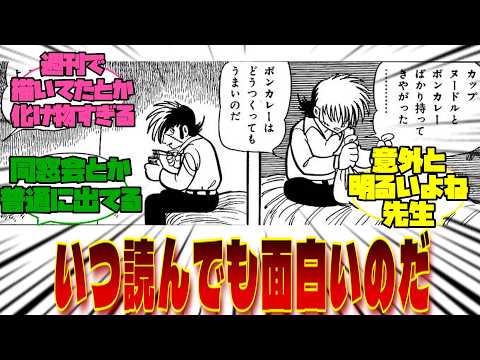
▶ Watch the original YouTube video
Osamu Tezuka’s Black Jack remains one of manga’s most enduring works, captivating readers across generations with its exploration of medical ethics, human contradiction, and the meaning of life itself. After 15 years of devoted fandom and analysis of over 500 anime and 300 games, this deep dive examines why Black Jack’s brilliance transcends time and continues to influence contemporary storytelling.
- What Happened
- Why It Matters
- Background
- Key Points
- Timeline
- Perspectives
- Comparative Analysis: Why Black Jack Stands Apart
- The Self-Surgery Paradox: How Impossibility Becomes Believable
- Pinoko: The Anchor to Humanity
- Kiriko: The Moral Mirror
- Stylistic Evolution: From Horror to Philosophy
- Temporal Specificity and Timeless Relevance
- Practical Recommendations for New Readers
- Internet Reception and Professional Validation
- Insights: Why Black Jack Remains Essential
- Conclusion: A Permanent Fixture in Human Culture
What Happened
Black Jack, serialized from 1973 onwards, tells the story of an unlicensed surgeon who charges exorbitant fees while saving patients’ lives—a paradox that has fascinated readers for decades. The manga follows the titular character as he navigates complex medical dilemmas, confronts his rival Kiriko, and maintains his humanity through his relationship with Pinoko. Unlike conventional medical dramas that celebrate healing as an unambiguous good, Black Jack repeatedly presents scenarios where salvation proves meaningless: patients die in accidents after successful surgery, or survival brings only increased suffering.
Why It Matters
Black Jack represents a watershed moment in manga’s treatment of serious themes. Published during the Cold War era, it tackled medical ethics questions—such as the value of extending life versus quality of life—that remain contested in modern healthcare. The work’s philosophical depth, combined with its psychological complexity, established a template for character development and thematic sophistication that influenced generations of manga creators. For contemporary readers, Black Jack offers a meditation on human helplessness and the limits of intervention in an indifferent universe.
Background
The author first encountered Black Jack as a university student 13 years ago, borrowing the first volume from a library. The opening episode, “The Doctor’s Oath,” immediately captivated them with its central contradiction: an outlaw physician who demands enormous fees yet genuinely saves lives. This paradox—the coexistence of moral ambiguity and human compassion—became the work’s defining characteristic. Over subsequent decades, Black Jack has been adapted into anime, films, and various media formats, yet its narrative power has never diminished. Repeated readings reveal new interpretations based on the reader’s evolving life experience, suggesting layers of meaning that reward sustained engagement.
Key Points
- Medical Ethics Complexity: Black Jack refuses simple moral judgments about saving lives. Deaths occur immediately after successful surgeries; survival sometimes increases suffering. This persistent questioning of whether rescue is truly righteous distinguishes it from conventional medical dramas.
- Black Jack’s Contradictory Humanity: The protagonist performs solitude while harboring deep loneliness. He treats similarly-wounded individuals with unexpected kindness, revealing an attachment-avoidant psychology rooted in past trauma—a psychological profile that influenced later manga characters.
- Kiriko as Moral Counterpoint: The police surgeon prioritizes quality of life over mere survival, creating a non-symmetrical relationship where Kiriko acknowledges Black Jack’s surgical genius while rejecting his ethical framework. This dynamic mirrors real medical debates about end-of-life care.
- Timeless Universal Themes: While medical technology and Cold War-era details date the work, fundamental questions about human suffering and salvation remain perpetually relevant. The temporal markers actually enhance the work by grounding it in specific historical struggles.
- Structural Perfection Within Constraints: Tezuka produced consecutive masterpieces within the rigid format of weekly serialization and single-episode storytelling. This creative discipline influenced countless subsequent manga artists and established new possibilities for the medium.
- Pinoko’s Symbolic Depth: The character embodies the contradiction of childlike appearance with adult psychology, representing the gap between external form and internal reality. She functions as Black Jack’s final anchor to humanity, preventing complete isolation.
Timeline
- 1973: Black Jack serialization begins, introducing medical ethics questions ahead of mainstream discourse.
- Early Period: The manga incorporates horror and grotesque elements—body modification, monstrous patients—reflecting its origins in darker storytelling traditions.
- Middle to Late Period: The work evolves toward psychological and philosophical depth, with Tezuka demonstrating increasingly serious engagement with medical ethics as a subject.
- Post-Serialization: Multiple adaptations across media formats maintain the work’s relevance while introducing it to new audiences.
- 2010s Medical Drama Era: Shows like Code Blue, Iryu, and ER dominated television, yet comparative analysis reveals Black Jack’s superior philosophical complexity regarding medical intervention.
- Present Day: Continued re-readings reveal fresh interpretations based on readers’ accumulated life experience, demonstrating the work’s inexhaustible depth.
Perspectives
The Psychological Reading: Black Jack’s character structure mirrors attachment-avoidant psychology documented in psychological literature. His performance of independence masks a desperate need for human connection, visible in his disproportionate kindness toward those sharing his experiences. This complexity predates and influences later character archetypes like Eren Yeager from Attack on Titan and Edward Elric from Fullmetal Alchemist.
The Medical Ethics Framework: Unlike contemporary medical dramas that celebrate healing as unambiguous good, Black Jack presents medicine as ethically fraught. The work aligns with modern bioethical debates about quality of life versus life extension—discussions that were nascent in 1973 but remain contested today. Medical professionals who have encountered the work report that its depictions, while medically impossible, capture the psychological reality of extreme medical situations.
The Philosophical Interpretation: Black Jack functions as an exploration of human meaninglessness. Repeated narrative patterns—successful surgery followed by tragedy, survival producing only suffering—suggest that intervention cannot fundamentally alter the human condition’s tragic nature. This nihilistic undercurrent distinguishes Black Jack from works like Iryu (which emphasizes medical hope) and God Hand Shine (which prioritizes technical accuracy).
The Historical Specificity View: While the work contains numerous Cold War-era references and outdated medical practices, these temporal markers enhance rather than diminish its value. They ground the narrative in specific historical moments of human struggle, making the work a document of its era while simultaneously addressing timeless concerns.
Comparative Analysis: Why Black Jack Stands Apart
| Work | Medical Ethics Treatment | Stance on Patient Salvation | View of Life and Death |
|---|---|---|---|
| Black Jack | Complex and contradictory | Questions whether salvation is justified | Impermanence and existential emptiness |
| Iryu (Medical Dragon) | Relatively clear-cut | Patients should be saved | Hopeful and affirmative |
| God Hand Shine | Technical accuracy prioritized | Medical obligation to save | Medical optimism |
This comparison reveals Black Jack’s singular position within medical manga. By repeatedly presenting the meaninglessness of salvation—patients dying in accidents after successful surgery, or survival producing only increased suffering—the work forces readers into genuine philosophical reflection rather than offering comforting narratives of medical triumph.
The Self-Surgery Paradox: How Impossibility Becomes Believable
One of Black Jack’s most discussed elements is the protagonist’s capacity for self-surgery—medically implausible yet narratively compelling. The mechanism behind this credibility lies in logical causality: without money, the character cannot access conventional medical care; therefore, self-surgery becomes a rational response to extreme circumstances. The use of everyday materials—vinyl curtains repurposed as sterile barriers—grounds the impossible in observable reality.
A medical school acquaintance of the author confirmed that while self-surgery is medically untenable, the work’s brilliance lies elsewhere: in depicting how humans behave under extreme psychological pressure rather than in medical accuracy. This distinction—prioritizing psychological realism over technical precision—represents a fundamental creative choice that elevates Black Jack beyond mere medical fiction.
Pinoko: The Anchor to Humanity
Pinoko, a character often dismissed as decorative, actually functions as Black Jack’s final tether to human connection. Her paradoxical nature—childlike appearance with adult consciousness—embodies the gap between external form and internal reality. More significantly, she represents the only relationship Black Jack cannot rationalize away through his outlaw physician persona. Where Black Jack attempts to sever human bonds through his profession, Pinoko’s presence forces continued engagement with emotional vulnerability.
This relationship operates through mutual dependence rather than conventional familial structures. Pinoko prevents Black Jack’s complete isolation while Black Jack provides Pinoko with purpose and protection. The dynamic suggests that even in a universe of meaningless suffering, human connection persists as an irreducible fact of existence.
Kiriko: The Moral Mirror
Black Jack’s relationship with Kiriko, the police surgeon, represents the work’s most sophisticated exploration of medical ethics. Kiriko prioritizes quality of life—what modern bioethics calls “quality of life” considerations—over mere survival. Black Jack, conversely, operates from a principle of absolute preservation. Neither position is presented as entirely correct.
Critically, Kiriko acknowledges Black Jack’s surgical mastery while rejecting his ethical framework. This asymmetrical recognition—respect without agreement—mirrors real medical debates about end-of-life care, euthanasia, and the limits of intervention. That Tezuka explored these questions in 1973, decades before they became mainstream medical discourse, demonstrates remarkable prescience.
Stylistic Evolution: From Horror to Philosophy
Black Jack’s early episodes contain pronounced horror elements—grotesque body modifications, monstrous patients, supernatural occurrences. As the serialization progressed, these elements diminished while philosophical and psychological depth increased. This evolution suggests Tezuka’s deepening engagement with medicine as a subject worthy of serious ethical consideration rather than merely sensational narrative material.
The shift from horror to philosophy represents a maturation of both creator and medium. Early episodes exploit the visceral shock of medical transgression; later episodes interrogate the meaning of medical intervention itself. This progression demonstrates how serial publication can facilitate artistic growth when creators remain genuinely engaged with their subject matter.
Temporal Specificity and Timeless Relevance
Black Jack contains numerous references to Cold War geopolitics, outdated medical procedures, and 1970s social conditions. Rather than diminishing the work’s contemporary relevance, these temporal markers enhance it by grounding abstract ethical questions in specific historical moments. A reader encountering an episode about a Soviet defector or obsolete surgical techniques experiences not just a story but a document of a particular historical moment when these concerns were urgent and real.
This combination of temporal specificity and thematic universality distinguishes Black Jack from works that attempt timelessness through abstraction. By embracing its historical moment, Black Jack paradoxically achieves greater longevity than works designed to transcend time.
Practical Recommendations for New Readers
Starting Point: Begin with early masterpiece episodes including “The Doctor’s Oath,” “Ball of Fire,” and “One Morning.” These episodes most effectively establish Black Jack’s character and the work’s central contradictions.
Deepening Engagement: Progress to episodes featuring Kiriko (such as “Avatar of Death”) to understand that Black Jack transcends simple adventure narrative and engages serious medical philosophy.
Reading Strategy: Pay particular attention to moments where Black Jack’s intervention fails to produce lasting positive outcomes. This pattern—the repeated demonstration of human helplessness—constitutes the work’s central thematic preoccupation.
Related Works for Comparative Reading:
- Phoenix (Osamu Tezuka): Explores life, death, and human essence across time periods. Shares Black Jack’s philosophical depth while employing radically different narrative structure.
- Iryu/Medical Dragon (Arata Asahara): Presents the inverse perspective—medicine as source of hope and human triumph. Comparison clarifies what distinguishes Black Jack’s nihilistic vision.
- Golgo 13 (Takao Saito): Features another ethically complex protagonist operating outside conventional morality. Demonstrates how Black Jack’s character archetype influenced subsequent manga.
Internet Reception and Professional Validation
Online discussions reveal consistent patterns in Black Jack appreciation. Casual readers emphasize the work’s persistent entertainment value despite its age. Medical professionals report that while the work contains technical impossibilities, it captures the psychological reality of extreme medical situations and the genuine ethical dilemmas practitioners face.
Particularly striking are comments from healthcare workers: “I once thought doctors could theoretically perform self-surgery” and “This actually happens fairly often in medical practice.” These responses suggest Black Jack achieves psychological realism despite medical implausibility—a distinction crucial to understanding its enduring power.
The recurring sentiment—”Heavy every time I read it” combined with “Always entertaining”—indicates that readers value the work precisely because it refuses easy comfort. Black Jack’s refusal to provide reassuring narratives about medicine’s redemptive power appears to resonate more deeply than conventional medical dramas offering hope and triumph.
Insights: Why Black Jack Remains Essential
After 15 years of engagement with Black Jack, a clear conclusion emerges: the work functions as a philosophical inquiry into the meaning of human life conducted through the specific lens of medical intervention. By repeatedly demonstrating that successful surgery cannot prevent tragedy, that survival often increases suffering, and that medical ethics contain irreducible contradictions, Black Jack forces readers to confront uncomfortable truths about human existence.
The work’s central insight—that intervention cannot fundamentally alter the human condition’s tragic nature—distinguishes it from both medical dramas and philosophical fiction. Black Jack operates simultaneously as entertainment and as serious philosophical inquiry, never sacrificing narrative engagement for thematic depth or vice versa.
Black Jack’s influence extends beyond manga into broader storytelling. The character archetype of the morally ambiguous protagonist operating outside conventional systems—visible in contemporary works across multiple media—owes significant debt to Tezuka’s creation. The work demonstrated that readers would engage seriously with ethically complex characters and philosophically challenging narratives, expanding the medium’s possibilities.
One remaining question persists: while Black Jack effectively demonstrates the meaninglessness of intervention, does it offer guidance for how humans should live within this meaninglessness? The work leaves this question to individual interpretation, suggesting that each reader must construct their own response to the existential challenges Black Jack presents.
Future adaptations might productively engage with contemporary medical ethics—artificial intelligence diagnostics, genetic engineering, organ transplantation—through a Black Jack perspective. Such works would likely prove equally compelling, suggesting the work’s thematic framework remains generative rather than exhausted.
Conclusion: A Permanent Fixture in Human Culture
Black Jack represents more than a manga classic; it constitutes a permanent contribution to human culture’s ongoing conversation about life, death, meaning, and intervention. Its value increases rather than diminishes with time, not because it transcends its historical moment but because it engages that moment with such seriousness and depth that it illuminates universal human concerns.
The work’s refusal to provide comforting answers, its embrace of contradiction and meaninglessness, and its insistence on the irreducible complexity of medical ethics distinguish it from nearly all contemporary storytelling. In an era of narrative comfort and ideological certainty, Black Jack’s philosophical rigor and willingness to sit with uncomfortable questions offer something increasingly rare and valuable.
This is why Black Jack remains eternally fresh: not because it transcends time, but because it engages time seriously, grounding abstract ethical questions in specific human moments of suffering, decision, and consequence. Each reader, bringing their own accumulated experience to the work, discovers new meanings while the fundamental questions remain perpetually open. That is the mark of genuine philosophical literature, and it explains why, after nearly fifty years, Black Jack continues to captivate, challenge, and transform everyone who encounters it.