▶ Watch the original YouTube video
How VTuber Group Dynamics Create Comedy: Analyzing Member Reactions to Eto’s Metal Bat
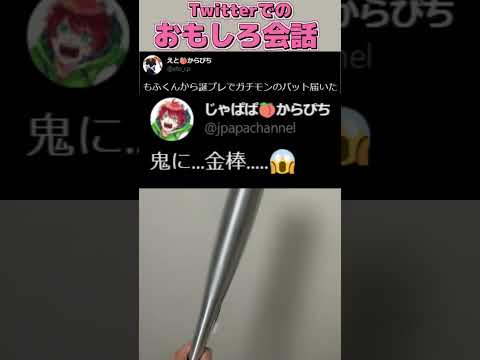
A viral VTuber clip featuring character Eto wielding a metal bat reveals the sophisticated psychology behind group content comedy. Through established character archetypes and carefully orchestrated member reactions, VTuber groups like Karapichi demonstrate how expectation management and ensemble dynamics generate humor that resonates with dedicated audiences.
What Happened
A recent video clip from the VTuber group Karapichi captured member reactions to character Eto holding a metal bat. The seemingly simple premise—a character in an unusual situation—generated significant engagement through the coordinated responses of multiple group members, each reacting according to their established character personas. The clip exemplifies how modern VTuber content leverages group dynamics to amplify comedic impact beyond what individual performances could achieve.
Why It Matters
VTuber group content represents a sophisticated evolution in digital entertainment, combining character development with ensemble comedy mechanics. Understanding how these groups construct humor reveals broader principles about audience psychology, expectation management, and the power of established character archetypes in entertainment. As the VTuber industry matures, group dynamics increasingly drive viewership and engagement, making this analysis relevant to content creators and entertainment analysts alike.
Background
VTuber (Virtual YouTuber) content has evolved significantly over the past six years, transitioning from individual character performances to complex group interactions. The Karapichi group exemplifies this trend through clearly defined character roles and deliberate ensemble construction. Unlike larger VTuber organizations such as Hololive or Nijisanji, smaller groups like Karapichi benefit from more distinct character differentiation, allowing each member’s personality to stand out prominently. This structural advantage enables more precise audience expectations and more impactful comedic payoffs when those expectations are met or subverted.
Key Points
- Character Establishment: Each Karapichi member possesses a clearly defined persona that audiences recognize and anticipate, creating a foundation for comedic reactions
- Expectation Subversion: The humor emerges from the gap between what viewers predict a character will do and what actually occurs, a principle applicable across comedy mediums
- Ensemble Amplification: Multiple members responding differently to the same stimulus creates layered comedy that exceeds the impact of individual reactions
- Strategic Editing: YouTube clip compilations optimize comedic pacing and scene selection, presenting viewers with refined, concentrated humor rather than raw footage
- Accessibility Paradox: While established fans find maximum enjoyment through character familiarity, newcomers may struggle to appreciate the humor without prior context
- Group Differentiation: Karapichi’s smaller size compared to major VTuber organizations creates sharper character distinctions and more predictable audience expectations
The Psychology of VTuber Comedy
Dissonance Through Familiarity: The metal bat scenario works comedically because viewers already understand Eto’s established character archetype. When a familiar character enters an unfamiliar situation, the cognitive dissonance generates humor. This mirrors comedy structures found in anime like Attack on Titan, where established character expectations create impact when subverted.
Multi-Perspective Amplification: Unlike solo content, group reactions multiply comedic impact. When multiple characters respond differently to the same stimulus—some with fear, others with confusion or laughter—the humor compounds. This ensemble principle parallels the structure in anime like K-On!, where supporting characters’ reactions to a protagonist’s behavior enhance the overall comedic effect.
Expectation Management: Audiences develop predictive models for each character based on prior exposure. The comedy emerges when actual reactions align with or diverge from these predictions. This principle extends across entertainment mediums, from video game narratives like Portal 2 to traditional television comedy.
Audience Reception and Interpretation
YouTube comments on the clip reveal diverse audience responses. Established fans expressed satisfaction when character reactions matched their predictions, validating the expectation-management hypothesis. Comments like “this member’s reaction was exactly what I expected” demonstrate that viewers actively engage with character archetypes and anticipate specific behaviors.
Conversely, some viewers unfamiliar with Karapichi reported confusion about the clip’s appeal, highlighting that group content functions primarily as fan service. This dynamic reveals an important characteristic: VTuber group content operates as insider entertainment, rewarding long-term audience investment with deeper comedic appreciation.
Comparative Analysis Across VTuber Organizations
Karapichi’s comedic approach differs meaningfully from larger organizations. Hololive and Nijisanji, with their extensive rosters, distribute character focus across many personalities, diluting individual distinctiveness. Karapichi’s compact size ensures each member maintains sharp character definition, enabling more precise audience expectations and more impactful comedic payoffs.
The editing and curation process also distinguishes VTuber clips from traditional broadcast comedy. YouTube compilations extract optimal comedic moments without broadcast time constraints, allowing creators to concentrate humor density. This optimization represents a fundamental advantage over traditional television, where format limitations require content compromise.
Practical Recommendations for Audience Engagement
Develop Character Literacy: Viewers can maximize enjoyment by familiarizing themselves with each member’s established persona through prior content. This foundational knowledge transforms passive viewing into active prediction and validation, tripling or more the perceived humor value.
Comparative Viewing: Watching similar content from different VTuber organizations—Hololive, Nijisanji, and independent groups—reveals distinct production philosophies and comedic approaches. This comparative framework illuminates what makes Karapichi’s specific formula effective.
Editorial Awareness: Analyzing why specific scenes were selected, their sequencing, and pacing reveals creator intent. Understanding the mechanics of comedic editing enhances appreciation for the craft behind seemingly spontaneous entertainment.
Insights and Future Implications
The metal bat clip demonstrates that VTuber entertainment has matured beyond individual character appeal into sophisticated ensemble comedy. The industry’s evolution suggests that group dynamics will increasingly drive engagement and viewership. While individual character charisma remains important, the chemical reactions generated through multiple personalities interacting represent VTuber content’s greatest strength.
As the industry continues developing, the strategic application of group dynamics will likely become more refined. Creators who master character establishment, audience expectation management, and ensemble coordination will produce content with maximum impact. The Karapichi example illustrates that seemingly simple premises—a character with an unusual object—can generate substantial entertainment value when constructed through sophisticated understanding of audience psychology and comedic mechanics.
The future of VTuber content appears to favor group-based productions that leverage established character archetypes and ensemble dynamics over solo performances. This shift reflects broader entertainment trends toward interactive, relationship-driven narratives where character interactions generate more value than individual performances alone.