▶ Watch the original YouTube video
How Brawl Stars’ Box Drop System Reveals the Psychology Behind Mobile Game Design
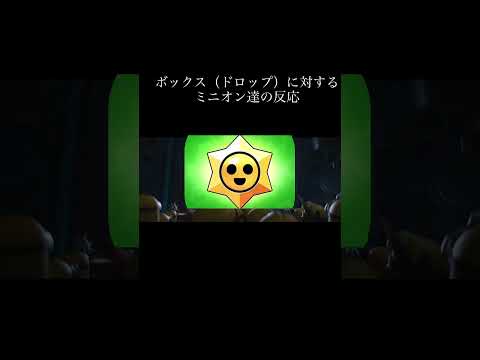
Brawl Stars’ box drop mechanic and the diverse AI character reactions it triggers offer a masterclass in modern mobile game design. What appears to be a simple reward system is actually a carefully engineered psychological tool that maximizes player engagement through emotional feedback and character personalization.
- What Happened
- Why It Matters
- Background
- Key Points
- Design Philosophy: The Psychology Behind the Mechanics
- Comparative Analysis: Brawl Stars vs. Other Mobile Games
- Content Creation and Streaming Implications
- Ethical Considerations
- Future Evolution Predictions
- How to Maximize Your Brawl Stars Experience
- Community Reception and Interpretation
- Insights and Broader Implications
What Happened
A detailed analysis of Brawl Stars’ box drop system—a core gameplay mechanic where players collect randomly appearing boxes during matches—reveals how the game’s developers have integrated sophisticated psychological principles into what seems like a straightforward reward mechanism. The system is distinguished by the diverse and character-specific reactions that minion AI characters display when boxes are collected, creating a multi-layered engagement experience that extends far beyond simple item acquisition.
The box drop system combines random reward distribution with individualized character responses, creating a feedback loop that reinforces player behavior while building emotional connections between players and in-game characters. Each character exhibits unique personality-driven reactions to box collection, ranging from exuberant excitement to cool indifference to comedic overreaction.
Why It Matters
Understanding Brawl Stars’ design approach offers insights into how modern mobile games optimize for player retention and satisfaction. Rather than relying solely on competitive gameplay or raw reward quantities, the game leverages emotional engagement and character personality expression as core design pillars. This represents a significant evolution in how developers think about reward systems—moving from purely mechanical implementations to psychologically sophisticated tools that engage players on multiple levels.
The implications extend beyond Brawl Stars itself. As mobile gaming becomes increasingly competitive, the integration of emotional feedback mechanisms into core systems is becoming industry standard. Understanding these design patterns helps players recognize the psychological mechanisms at work in their favorite games and provides game developers with a framework for creating more engaging experiences.
Background
Brawl Stars, developed by Supercell, is a fast-paced multiplayer shooter for mobile devices that launched globally in 2018. The game distinguishes itself through accessible gameplay combined with deep character customization and progression systems. The box drop mechanic serves as the primary reward distribution system, appearing randomly during matches and providing players with character upgrades, cosmetics, and other progression items.
The game’s design philosophy emphasizes character personality and world-building. Each playable character has distinct visual design, voice lines, and behavioral animations. The box drop system extends this philosophy by ensuring that even routine reward collection moments reinforce character identity and create opportunities for emotional player-character interaction.
Brawl Stars exists within a broader ecosystem of Supercell titles including Clash Royale and Hay Day. Compared to these games, Brawl Stars places particular emphasis on character-driven emotional engagement within its reward systems, representing a notable design evolution within the company’s portfolio.
Key Points
- Psychological Reward Optimization: The box drop system implements immediate visual and audio feedback that triggers dopamine responses, reinforcing player behavior through scientifically understood reward mechanisms.
- Character Personality Expression: AI reactions to box collection serve as a primary vehicle for expressing character personality traits, transforming routine mechanics into character development moments.
- Emotional Engagement Layer: By having characters celebrate player success, the system creates a sense of social validation and shared achievement, deepening player investment in the game world.
- Content Generation Potential: The unpredictability of both box drops and character reactions creates natural moments of surprise and delight, making gameplay inherently shareable and suitable for streaming and video content.
- Differentiation from Competitors: While other mobile games implement random reward systems, Brawl Stars uniquely emphasizes character-driven emotional responses, setting it apart from titles like Clash Royale and PUBG Mobile.
- Industry Trend Indicator: The system represents a broader industry shift toward integrating emotional engagement and psychological principles into core game mechanics rather than treating them as secondary concerns.
Design Philosophy: The Psychology Behind the Mechanics
The box drop system operates on several interconnected psychological principles. First, it provides immediate feedback for player actions, eliminating uncertainty about whether actions resulted in rewards. This addresses what neuroscience calls “reward prediction error”—the brain’s need for confirmation that expected outcomes occurred.
Second, the system creates what psychologists term “social reward.” When a character celebrates a player’s box collection, the player experiences a sense of social validation and recognition, even though the celebration comes from an AI. This taps into fundamental human needs for acknowledgment and belonging.
Third, the diversity of character reactions introduces controlled unpredictability. Players cannot predict exactly how their favorite character will react to a box collection, creating anticipation and encouraging repeated engagement to witness all possible variations.
Fourth, the system reinforces character personality and identity. Over time, players develop mental models of each character’s personality based on their consistent reaction patterns. This deepens attachment and creates motivation to interact with specific characters.
Comparative Analysis: Brawl Stars vs. Other Mobile Games
| Game Title | Reward System | Character Reaction | World-Building Impact |
|---|---|---|---|
| Brawl Stars | Box Drop (Random) | Diverse and personality-driven | Directly reinforces character personality |
| Clash Royale | Card Acquisition (Random) | Minimal visual feedback | Limited to gameplay mechanics |
| PUBG Mobile | Loot Boxes (Random) | Player-only notification | Individual satisfaction only |
| Hay Day | Harvest/Production (Deterministic) | None | Gameplay performance only |
Brawl Stars’ approach differs fundamentally from its competitors. While Clash Royale presents card rewards with minimal character involvement, and PUBG Mobile limits reward feedback to the player interface, Brawl Stars integrates character celebration into the reward moment itself. This transforms a transactional mechanic into a relational one.
Content Creation and Streaming Implications
The box drop system’s design makes it inherently suitable for streaming and video content creation. The combination of random box appearances and unpredictable character reactions creates moments of genuine surprise that translate well to audience engagement. Viewers cannot predict what will happen, maintaining their attention and encouraging them to watch for “rare” or unusual character reactions.
This creates a natural feedback loop: the system’s design encourages content creation, which increases game visibility, which drives player acquisition, which generates more content. The mechanic essentially optimizes for virality and community engagement.
Ethical Considerations
While the psychological sophistication of the box drop system demonstrates impressive design, it raises important ethical questions. The system’s effectiveness at driving engagement and repeat play could potentially contribute to problematic gaming habits or excessive spending in players vulnerable to addiction.
The integration of emotional feedback—having characters celebrate player rewards—adds a layer of psychological manipulation that goes beyond simple game mechanics. Players should be aware that these systems are deliberately designed to maximize engagement and emotional investment.
The distinction between ethical engagement optimization and manipulative design practices remains an important ongoing discussion within the gaming industry.
Future Evolution Predictions
Increased Reaction Complexity: Future updates may introduce conditional character reactions based on match outcomes, player level, or other contextual factors, creating even greater behavioral variation.
Narrative Integration: Box drops may become integrated with story progression, with character reactions reflecting narrative developments or emotional story beats.
Social Sharing Features: The system may evolve to include mechanisms for players to share and compare character reactions, turning individual moments into community experiences.
Cross-Game Consistency: Supercell may apply similar emotional engagement principles to other titles in their portfolio, creating a unified design philosophy across their games.
How to Maximize Your Brawl Stars Experience
- Observe Character Reactions Intentionally: Rather than treating box drops as automatic events, consciously watch how different characters react. Notice the subtle personality details embedded in each animation.
- Develop Character Preferences: Choose a “main” character and specifically seek out their box drop reactions. This transforms gameplay from purely competitive to emotionally invested.
- Compare Reactions Across Contexts: Watch community-created videos comparing how different characters react to the same box types, deepening your understanding of the design system.
- Study Design Intentionality: Approach the game as a design study. Ask yourself why each reaction was designed this way and what personality trait it communicates.
- Explore Related Titles: Play other Supercell games to understand how this design philosophy manifests across different game genres.
Community Reception and Interpretation
Social Media Response: Across Twitter and Reddit, players frequently express appreciation for character reactions, with many stating they play specifically to witness their favorite characters’ celebrations. Comments like “I play just to see this character’s reaction” are common.
Content Creator Focus: YouTube and Twitch streamers frequently highlight unusual or rare character reactions, with viewers actively requesting specific character reaction compilations. This demonstrates how the system’s design naturally generates content.
Technical Community Discussion: Dedicated gaming forums feature detailed analysis of reaction probability algorithms, box drop rates, and character behavior patterns, indicating that engaged players recognize and appreciate the system’s sophistication.
Critical Perspectives: Some players raise concerns about the gacha elements and random reward mechanics, questioning whether the emotional engagement layer masks potentially exploitative design. These critiques represent valid concerns about the intersection of psychology and game monetization.
Insights and Broader Implications
Brawl Stars’ box drop system exemplifies how modern game design has evolved beyond simple mechanical optimization into psychological and emotional engineering. The system demonstrates that player satisfaction depends not primarily on reward quantity but on the quality of the emotional experience surrounding reward acquisition.
This represents a fundamental shift in how the industry thinks about engagement. Rather than asking “How much should we reward players?” designers now ask “How can we make reward moments emotionally meaningful?” The answer, as Brawl Stars demonstrates, involves integrating character personality, immediate feedback, social validation, and controlled unpredictability into core mechanics.
The system’s success suggests that future mobile games will increasingly adopt similar approaches, integrating emotional engagement mechanisms into systems that previously focused purely on mechanical function. This evolution reflects a deeper understanding of human psychology and player motivation.
However, this sophistication also demands increased responsibility from developers. As games become more effective at engaging players emotionally, the ethical implications of these engagement mechanisms become more significant. The industry must balance the desire to create engaging experiences with the responsibility to protect player wellbeing.
Ultimately, Brawl Stars’ box drop system serves as a case study in how thoughtful design can transform routine gameplay moments into memorable experiences that deepen player investment in a game world. Whether viewed as a masterpiece of engagement design or a cautionary tale about psychological manipulation likely depends on one’s perspective on the relationship between game design and player autonomy.