▶ Watch the original YouTube video
What Happens When Chiaki Gets Sick? Blue Archive Fan Reactions Reveal Community Depth
A viral video exploring fan reactions to the hypothetical scenario of Chiaki catching a cold has sparked widespread discussion across Blue Archive communities. The responses reveal how character-driven fan creativity and emotional investment shape modern gaming culture, offering insights into the psychology behind fan engagement and creative expression.
What Happened
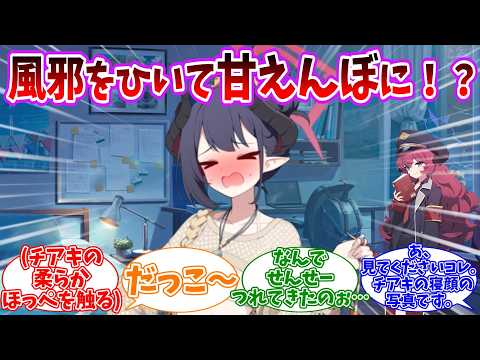
A video compilation aggregating fan reactions to the hypothetical scenario “What if Chiaki caught a cold?” has circulated across Blue Archive communities on Twitter, YouTube, Reddit, and 2channel. The video showcases diverse fan responses ranging from protective impulses to character reinterpretation and humorous speculation. This simple premise has generated hundreds of creative responses, each revealing different dimensions of how fans engage with and understand the character.
Why It Matters
This phenomenon demonstrates how fan communities construct meaning around characters through creative hypotheticals. The responses illustrate the psychological mechanisms that drive fan engagement—including protective instincts, character analysis, emotional connection, and collaborative worldbuilding. Understanding these reactions provides insight into how modern gaming communities function and how character design influences creative output. The diversity and depth of responses indicate a mature, thoughtful fanbase capable of nuanced interpretation and multi-layered engagement with source material.
Background
Blue Archive is a mobile strategy game known for its detailed character storytelling and emphasis on daily-life narratives alongside combat scenarios. Unlike many similar games that prioritize action sequences, Blue Archive dedicates substantial narrative space to character development and interpersonal dynamics. Chiaki is a character whose design balances apparent cheerfulness with underlying complexity—a combination that creates what fans call “gaps” between surface personality and deeper character layers. These gaps naturally invite fan speculation and creative interpretation.
The “what if” scenario format has long been a staple of fan communities across anime, manga, and gaming fandoms. However, the specific premise of a character falling ill serves a unique psychological function: it temporarily removes the character’s typical strengths and reveals vulnerability, creating space for different emotional and narrative possibilities.
Key Points
- Four distinct response categories emerged: Protective/caretaking impulses, character reinterpretation and analysis, comedic and creative reimagining, and critical questioning of character consistency.
- Platform differences shaped response style: Twitter responses tended toward immediate emotional reactions, while YouTube and Reddit comments included longer analytical discussions, and 2channel featured more critical perspectives.
- Vulnerability as catalyst: Illness functions as a narrative device that makes characters appear more relatable and human, triggering deeper emotional engagement from fans.
- Character design intentionality: Blue Archive’s character development leaves deliberate narrative gaps, inviting fan speculation and creative expansion of official canon.
- Community maturity indicator: The breadth and sophistication of fan responses suggest a well-developed community capable of multi-perspective engagement with source material.
- Comparison with other franchises: Blue Archive’s fan culture differs from similar games by emphasizing daily-life scenarios and individual character depth over group dynamics or historical/mythological backgrounds.
Fan Response Categories
Protective/Caretaking Responses
A significant portion of fan reactions expressed desires to care for or protect a sick Chiaki. These responses reveal how vulnerability in characters triggers nurturing impulses in audiences. This pattern mirrors similar fan behavior across other character-driven franchises, where fans express protective emotions toward characters experiencing weakness or difficulty.
Character Analysis and Reinterpretation
Many fans used the hypothetical scenario as a framework for deeper character analysis, speculating about how Chiaki’s established personality traits would manifest under different circumstances. These responses demonstrate fans engaging in sophisticated character interpretation, using the scenario to test and expand their understanding of the character’s psychology and behavior patterns.
Creative and Comedic Responses
Numerous fans transformed the premise into comedic content, combining Chiaki’s established characteristics with humorous scenarios. This represents a higher-order creative engagement where fans synthesize character knowledge with entertainment value creation.
Critical and Questioning Responses
Some fans questioned whether the scenario aligned with established character canon, noting apparent contradictions or inconsistencies. Notably, these critical responses often indicate deep character knowledge and investment rather than disengagement—fans critique because they care about character consistency.
Platform-Specific Patterns
Twitter: Short-form responses dominated, with fans expressing immediate emotional reactions like “Chiaki with a cold is adorable” or “I want to take care of her.” The real-time nature of the platform encouraged spontaneous, unfiltered reactions.
YouTube and Reddit: Longer, more analytical responses emerged, with fans constructing detailed arguments about how Chiaki’s character would logically behave while ill, grounded in established character traits and narrative logic.
2channel: More critical and sometimes harsh perspectives appeared, though even critical responses often contained underlying affection and deep character knowledge. The anonymous nature of the platform enabled more candid, unfiltered commentary.
Psychological Mechanisms
The scenario of a character falling ill triggers three primary psychological effects in fan communities:
Visibility of Vulnerability: Illness makes character weakness explicit and undeniable, contrasting with the typical presentation of character strength. This vulnerability creates emotional accessibility and relatability.
Opportunity for Care: Illness creates narrative space for other characters—and by extension, fans—to provide support and care. This satisfies fan desires to actively contribute to a character’s wellbeing.
Return to Everyday Humanity: Game and anime characters often exist in extraordinary circumstances. Illness grounds them in universal human experience, making them feel more real and present.
Comparative Analysis
| Franchise | Character Design Focus | Fan Creation Patterns | Community Response Quality |
|---|---|---|---|
| Blue Archive | High individuality, strong daily-life emphasis | Abundant “if” scenarios and character speculation | Deep character analysis and multi-perspective engagement |
| Love Live! Series | Group dynamics and relationships | Character interaction-focused creations | Relationship-centered discussion and analysis |
| Fate/Grand Order | Historical and mythological backgrounds | Setting expansion and canon modification | Active debate about lore consistency and gaps |
| K-On! | High daily-life focus, subtle individuality | Slice-of-life extensions | Warm, gentle, comfort-focused responses |
Blue Archive distinguishes itself by successfully combining clear individual character identity with high daily-life narrative emphasis—a balance that maximizes fan creative engagement. Characters feel both distinctive and relatable, creating optimal conditions for fan speculation.
Design Intent and Fan Imagination
Blue Archive’s development team appears to have deliberately designed characters with substantial narrative gaps—information not provided in official canon that fans can freely interpret and expand. This strategy mirrors approaches used in franchises like Fate/stay night, where intentional ambiguity in character backgrounds encourages fan creativity.
The absence of official information about how Chiaki would behave while ill creates space for fan imagination to flourish. Rather than constraining fan creativity, this gap invites it. The scenario functions as a form of market research, revealing what fans expect from characters and what narrative directions they find compelling.
Community Health Indicators
The diversity and sophistication of fan responses suggest a mature community characterized by:
- Multi-perspective engagement with source material
- Capacity for both critical and affectionate analysis
- Creative output across multiple formats and platforms
- Thoughtful discussion of character psychology and narrative logic
- Tolerance for diverse interpretations and creative approaches
These characteristics indicate a fanbase capable of sustaining healthy creative culture over time, avoiding the pitfalls that sometimes plague communities as they grow—such as excessive gatekeeping or loss of creative freedom.
Insights
The “What if Chiaki caught a cold?” phenomenon reveals fundamental truths about fan communities and character-driven engagement. First, fans don’t simply consume narratives passively—they actively construct meaning through creative speculation and interpretation. Second, character vulnerability paradoxically strengthens emotional connection rather than diminishing it; weakness makes characters feel more human and relatable. Third, intentional narrative gaps in character design function as invitations for creative participation rather than oversights.
The breadth of responses demonstrates that modern gaming communities have developed sophisticated frameworks for collective meaning-making. Fans across different platforms collaborate—often without direct coordination—to explore character possibilities from multiple angles. This represents a form of distributed creative labor that extends and enriches the original work.
Perhaps most significantly, the phenomenon illustrates how fan communities serve as testing grounds for narrative possibilities. The reactions generated by this simple hypothetical provide valuable data about what fans find compelling, what character directions resonate emotionally, and what narrative possibilities feel authentic to established character traits. In this sense, fan creativity functions as both artistic expression and collaborative worldbuilding with the original creators.
The health of Blue Archive’s fan community—evidenced by the thoughtful, diverse, and creative responses to this scenario—suggests the franchise has successfully created conditions where fans feel both emotionally invested in characters and creatively empowered to explore them. Maintaining this balance as the community grows will be crucial to sustaining the creative culture that currently defines the fanbase.