▶ Watch the original YouTube video
How Minecraft Players Choose Their Transportation: A Deep Dive Into Game Design and Player Psychology
A comprehensive analysis of Minecraft’s various transportation methods reveals how player choice reflects deeper gaming philosophies and psychological motivations. From walking to elytra flight, each movement option tells a story about player progression, creativity, and what makes sandbox gaming meaningful.
- What Happened
- Why It Matters
- Background
- Key Points
- The Psychology of Movement: Three Layers of Player Motivation
- Design Philosophy: Progression Through Movement
- Community Response and Evolution
- Practical Guidance: Choosing Your Transportation Method
- The Broader Implication: What Minecraft Reveals About Game Design
What Happened
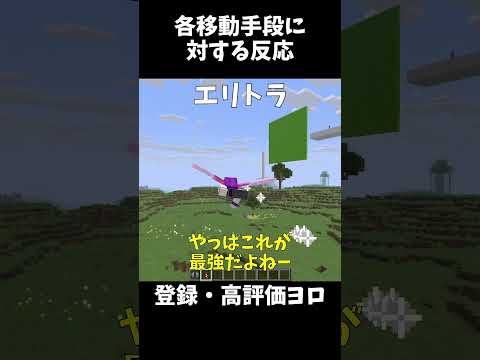
A recent video examining player reactions to different transportation methods in Minecraft sparked deeper questions about game design philosophy. The analysis reveals that how players choose to move through the Minecraft world—whether on foot, by horse, via Nether railways, or by elytra—reflects their individual gaming values and progression through the game.
Why It Matters
Transportation mechanics in Minecraft represent far more than simple gameplay convenience. They embody Mojang Studios’ sophisticated design philosophy of progressive player development. Understanding these choices illuminates how modern sandbox games balance efficiency with experience quality, and how player creativity transforms basic mechanics into entirely new forms of play. This analysis applies to broader game design principles that successful titles like The Legend of Zelda: Breath of the Wild and Terraria also employ.
Background
Minecraft has offered multiple transportation options since its early development, each unlocked through different progression paths. Players begin with walking, discover horses in plains biomes, construct Nether railways for rapid travel, and eventually obtain elytra wings after defeating the Ender Dragon. Each method serves different purposes and appeals to different player motivations. Over eight years of gameplay experience, patterns emerge showing how player preferences correlate with their experience level and gaming philosophy.
Key Points
- Multiple transportation methods exist: Walking, horses, boats, Nether railways, and elytra each offer distinct advantages and experiences suited to different playstyles.
- Player reactions vary significantly: The same transportation method receives vastly different evaluations depending on individual player experience level and priorities.
- Efficiency versus experience quality: Transportation choice reflects whether players prioritize speed and resource gathering or value the quality of exploration and discovery.
- Progressive design philosophy: Minecraft’s transportation options unlock in stages that mirror player progression, creating a carefully designed learning curve.
- Community creativity drives evolution: Players transform basic transportation mechanics into new gameplay forms, such as advanced elytra techniques and decorative railway stations.
- Experience level determines preference: Beginners favor horses, intermediate players prefer Nether railways, and experienced players combine multiple methods strategically.
The Psychology of Movement: Three Layers of Player Motivation
Player reactions to Minecraft’s transportation methods operate on three distinct psychological layers, each revealing different aspects of gaming motivation.
The Efficiency Layer: Most players initially seek faster, more efficient routes to their goals. This fundamental drive explains why Nether railways and elytra receive enthusiastic praise—they deliver results quickly. Early in a playthrough, this motivation dominates decision-making as players pursue objectives like diamond collection.
The Experience Quality Layer: As players progress, a shift occurs. After hundreds of hours, many discover that scenic horse rides and leisurely boat journeys through rivers provide deeper satisfaction than pure speed. This layer represents maturation in how players engage with the game world, valuing discovery and atmosphere over optimization.
The Creativity Layer: Advanced players establish personal goals that transform transportation into creative expression. Building an elaborate Nether railway network with decorated stations, or visiting every biome by horse, converts functional mechanics into personal projects. At this stage, the transportation method becomes a vehicle for self-expression rather than mere movement.
Design Philosophy: Progression Through Movement
Mojang Studios deliberately structured transportation options as a progression system. Beginners explore on foot, discovering the world’s scale and beauty. This foundational experience creates emotional investment in the landscape. The introduction of horses provides the first major mobility upgrade, delivering tangible progress and achievement. Later, Nether railways demand significant resource investment and planning, rewarding players with both efficiency and creative satisfaction. Finally, elytra represents the ultimate mobility reward, unlocking three-dimensional movement and entirely new exploration possibilities.
This design mirrors successful progression systems in other acclaimed titles. Breath of the Wild similarly gates movement options—players begin on foot, acquire a horse, and eventually unlock a paraglider. However, Minecraft’s critical distinction lies in player agency: Minecraft players must construct their transportation infrastructure. Building a Nether railway is not receiving a reward; it is achieving something personally created.
Community Response and Evolution
Online communities reveal fascinating patterns in transportation preferences. Twitter discussions emphasize efficiency-focused opinions like “elytra is the best” or “Nether railways are supreme.” Meanwhile, Reddit threads and forum discussions showcase more nuanced perspectives, with experienced players recommending multi-method approaches and discussing the merits of slower, more contemplative travel.
YouTube comments demonstrate the community’s learning orientation—players actively seek techniques from others and experiment with new approaches. This collaborative knowledge-sharing has created an ecosystem where basic mechanics evolve into sophisticated gameplay forms. Thousands of elytra tutorial videos now exist, representing player-driven innovation built on a simple foundation.
Notably, player experience level directly correlates with transportation preference. Beginners favor horses for their accessibility, intermediate players optimize Nether railways, and veteran players employ strategic combinations. This progression mirrors the game’s design intention perfectly.
Practical Guidance: Choosing Your Transportation Method
For new players: Begin with walking exploration. This foundational experience builds world familiarity and creates emotional connection to the landscape. The first hours of foot-based exploration determine the entire subsequent experience.
First major goal: Locate and tame horses. The process of finding, approaching, and riding horses constitutes genuine adventure and teaches core mechanics while delivering achievement satisfaction.
Intermediate progression: Consider Nether railway construction, but prioritize creative goals over pure efficiency. Players who focus solely on speed often abandon projects quickly, while those pursuing aesthetic or complex designs invest dozens of hours.
Advanced exploration: Elytra flight reaches its full potential only when combined with deep terrain knowledge. The most enjoyable elytra experiences involve navigating mountains, canyons, and other dramatic geography discovered through prior exploration.
Optimal strategy: Combine multiple transportation methods. Use boats for river exploration, horses for plains travel, and elytra for rapid transit between distant locations. This integrated approach maximizes both efficiency and experience quality.
The Broader Implication: What Minecraft Reveals About Game Design
Minecraft’s transportation system demonstrates a fundamental principle of excellent game design: mechanics should support player growth while remaining open to creative reinterpretation. The game provides tools; players determine meaning.
Current Minecraft content trends emphasize efficiency—fastest diamond collection, most optimized railways, speedrun techniques. While this content attracts viewers, it potentially obscures Minecraft’s deeper appeal. A richer content ecosystem would celebrate beautiful railway stations, ambitious exploration journeys, and creative transportation solutions alongside optimization guides.
Ultimately, Minecraft answers the question “What is a game?” through its transportation mechanics. A game provides freedom, within which players discover personal goals, create solutions, and experience achievement. Movement through the world becomes movement toward self-directed purpose. This philosophy, expressed through something as simple as choosing how to travel, represents the essence of what makes sandbox gaming meaningful.
The diversity of player reactions to transportation methods reflects not disagreement about what’s “best,” but rather the beautiful reality that Minecraft successfully serves vastly different player types simultaneously. For some, efficiency matters most. For others, experience quality defines enjoyment. For many, creative expression through transportation infrastructure becomes the primary goal. Minecraft’s design accommodates all these motivations, which explains both its enduring popularity and the passionate, varied responses its mechanics inspire.