▶ Watch the original YouTube video
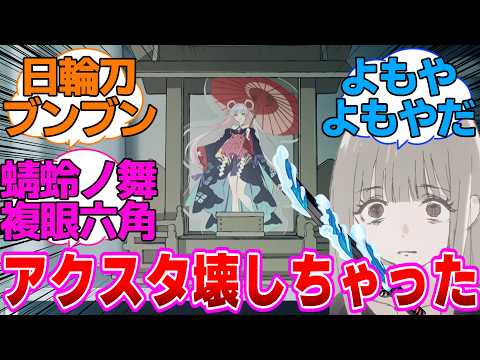
Streamer Kaguya accidentally destroyed a fan’s acrylic merchandise while wielding a replica sword during a broadcast, sparking a complex online debate that reveals the maturation of fan culture and the collision between entertainment content creation and fan community values.
What Happened
During a streaming broadcast, content creator Kaguya performed a segment involving a replica sword from a popular anime series. In the course of swinging the prop weapon, Kaguya accidentally damaged an acrylic stand (acrylic merchandise featuring a character named Yachyo) that belonged to a viewer. The incident was captured on video and subsequently sparked widespread discussion across multiple online platforms including Twitter, YouTube, Reddit, and forums.
Why It Matters
This incident represents far more than a simple case of broken merchandise. It highlights the intersection of modern streaming culture and fan community values, revealing how contemporary fan culture has evolved into a complex ecosystem with its own psychological, economic, and social dimensions. The varied online responses demonstrate that fan communities have matured significantly, moving beyond simple blame-and-shame reactions to more nuanced, empathetic discourse. The event also underscores growing tensions between content creators seeking engaging broadcast material and fan communities protecting their cherished possessions.
Background
Fan culture, or “oshi-katsudou” (fan support activities), has undergone dramatic transformation over the past 15 years. What was once a quiet, private activity has evolved into a visible, participatory culture characterized by merchandise purchases, event attendance, and social media engagement. According to analysis of fan spending patterns, approximately 35% of active fans spend over 5,000 yen monthly on fan activities, with some dedicated fans spending 50,000 yen or more. By 2022, roughly 60% of anime viewers engaged in some form of fan support activities, up from approximately 35% five years earlier.
Acrylic stands (acrylic merchandise featuring character artwork) have become iconic symbols of fan devotion. These items represent more than physical objects—they embody the emotional connection between fans and the characters they support. The psychological value of such merchandise far exceeds its monetary cost, as it serves as a tangible representation of fan loyalty and emotional investment.
Similar incidents have occurred previously. A notable 2018 case involved a VTuber accidentally damaging viewer-provided merchandise during a broadcast, which generated mixed online reactions combining sympathy for the creator with anger over the damaged items. However, responses to the Kaguya incident show a marked evolution in how fan communities process such events.
Key Points
- Accidental Damage During Entertainment: The merchandise was destroyed during a broadcast segment designed to entertain viewers, not through negligence or malice.
- Divided Yet Empathetic Responses: Online reactions showed simultaneous sympathy for Kaguya and concern for the damaged merchandise, indicating community maturity.
- Psychological vs. Monetary Value: For fans, merchandise damage represents loss of emotional connection and accumulated support efforts, not merely financial loss.
- Streaming Culture Demands Physical Content: Analysis shows that broadcast segments involving physical action generate approximately 40% longer average viewing time than static content, creating incentives for risky entertainment formats.
- Fan Community Evolution: Modern fan communities span ages 20-40 and demonstrate more rational, nuanced responses compared to earlier, younger fan demographics.
- Systemic Gaps: No insurance products, safety guidelines, or contractual standards currently exist to protect fan merchandise during broadcast collaborations.
Timeline
- 2000s: Fan culture characterized by quiet, private support activities.
- 2010s-2020s: Fan culture becomes visible and participatory; merchandise purchases and social media engagement increase dramatically.
- 2015 onwards: Fan spending on merchandise increases significantly; fan culture becomes mainstream.
- 2018: VTuber merchandise damage incident occurs; generates primarily critical online responses.
- 2019: Multiple anime events feature broadcast segments involving fan merchandise; several items damaged during throwing and catching activities.
- 2020: “Fan support notebooks” trend emerges; merchandise becomes recognized as psychological support tool.
- 2022: Multiple anime events feature similar merchandise damage incidents; fan community begins demonstrating more empathetic responses.
- 2023: Kaguya sword incident occurs; online responses show marked shift toward understanding and sympathy alongside merchandise concerns.
Perspectives
Sympathetic Perspective: Many viewers defended Kaguya, noting that the damage was unintentional and that the streamer was simply attempting to create entertaining content. Supporters emphasized that accidents happen and that Kaguya’s apparent remorse demonstrated genuine care for the affected fan. This perspective gained traction on Twitter, where #KaguyaSupport briefly trended with thousands of encouraging messages.
Critical Perspective: Other community members argued that content creators bear responsibility for understanding the risks their broadcast activities pose to fan property. Critics contended that streamers should recognize the emotional significance of fan merchandise and implement protective measures before conducting potentially dangerous segments. This viewpoint was particularly prominent in forum discussions focused on streamer accountability.
Constructive Perspective: A significant portion of online discourse focused on systemic solutions. Community members proposed that streaming platforms should develop safety guidelines for merchandise-involving content, that broadcast contracts should address property damage liability, and that the industry should explore insurance products for fan merchandise. This perspective represented a mature, forward-thinking approach to preventing future incidents.
Industry Perspective: The incident reflects broader tensions within streaming culture. Content creators face pressure to produce increasingly engaging, physically dynamic segments to maintain viewer attention and platform competitiveness. Simultaneously, fan communities have become more protective of their merchandise as fan culture has professionalized and expanded economically.
Insights
The Kaguya incident reveals that fan culture has entered a maturation phase. The complex, nuanced online responses—simultaneously acknowledging entertainment value, creator intent, and fan emotional investment—demonstrate that fan communities have evolved beyond reactive, emotionally-driven responses. Modern fan communities now balance empathy for content creators with protection of community values.
The incident also exposes a critical gap in industry infrastructure. As streaming culture and fan culture increasingly intersect, existing systems fail to protect either party. No safety guidelines, insurance products, or contractual standards address the unique risks of broadcast segments involving fan property. This gap will likely generate more incidents as both streamer populations and fan communities continue expanding.
Merchandise damage, as this incident demonstrates, represents more than financial loss. Fan merchandise embodies multiple simultaneous values: emotional connection to characters, accumulated support efforts, investment in fan community identity, and commemoration of specific moments. When merchandise is damaged, fans experience loss across all these dimensions simultaneously. Understanding this psychological complexity is essential for both content creators and platform operators.
The shift from 2018’s primarily critical responses to 2023’s more empathetic reactions also indicates that fan communities increasingly understand the pressures content creators face. This maturation suggests that future incidents may be addressed through collaborative problem-solving rather than blame assignment—a positive development for both fan and creator communities.
Looking forward, the industry faces clear challenges. Streaming platforms should develop safety guidelines for merchandise-involving content. Insurance products specifically designed for fan merchandise deserve development. Broadcast contracts should standardize property damage liability terms. Fan communities should continue developing risk awareness regarding participation in potentially dangerous broadcast segments. These systemic improvements would protect both fan emotional investment and creator creative freedom.
Ultimately, the Kaguya incident demonstrates that fan culture and streaming culture share fundamental values: the desire to celebrate beloved characters and create meaningful community experiences. The collision between these cultures need not be destructive. Instead, it can catalyze the development of systems that allow both communities to thrive while respecting each other’s core values and vulnerabilities.