▶ Watch the original YouTube video
Cure Eclair’s Identity Reveal Sparks Complex Fan Reactions: What the Precure Fandom Is Saying
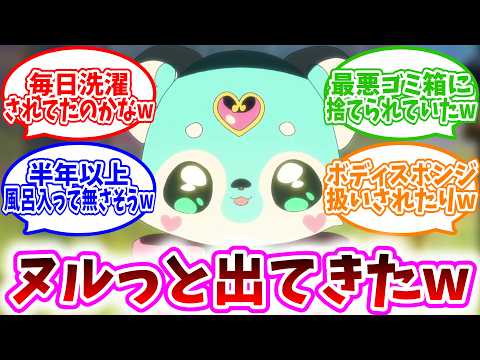
The revelation that Cure Eclair is actually Shushutan, a small fairy, has sent shockwaves through the Precure fanbase. After 15 years of following the franchise, viewers are grappling with a nuanced character arc that challenges traditional enemy-redemption narratives in magical girl anime.
What Happened
The current Precure series has revealed that Cure Eclair, a powerful enemy commander, is actually Shushutan—a small fairy who has undergone a dramatic transformation. This identity reveal has fundamentally altered how fans understand the character’s motivations and the series’ narrative structure. The revelation has triggered intense discussion across fan communities about the nature of Shushutan’s transformation, the psychological toll on related characters, and what this means for the series’ overall conflict.
Why It Matters
This development represents a significant evolution in how the Precure franchise handles antagonist characterization. Rather than presenting a simple “enemy-turned-ally” narrative, the series is exploring deeper psychological complexity: how a small, innocent fairy became a formidable enemy commander, and what internal conflicts arise when that truth emerges. This shift reflects broader trends in anime storytelling, where moral ambiguity and character depth have become increasingly valued in shows targeting both younger and older audiences. The fan response reveals how contemporary viewers expect more nuanced character development, even from antagonists.
Background
The Precure franchise has a 15-year history of using enemy character revelations as major plot turning points. Previous series like “Heartcatch Precure!” (2010-2011) and “Suite Precure♪” (2011) featured enemy commanders with hidden human identities or tragic backstories. However, the Cure Eclair reveal differs in its focus on psychological transformation rather than simple deception. The series has gradually moved toward more complex portrayals of antagonists, reflecting the maturation of its audience and the industry’s broader shift toward morally gray storytelling. This current arc appears to be the culmination of that trend, presenting not just a hidden identity, but a fundamental question about identity itself.
Key Points
- Shushutan’s Transformation: A small fairy has somehow become Cure Eclair, a powerful enemy commander. Fans are intensely focused on understanding the psychological process behind this dramatic change.
- Luluka’s Psychological Conflict: The character Luluka shows strong resistance to Eclair’s revival, prompting fan speculation that she may be directly involved in Shushutan’s memory loss or transformation.
- Power Balance Concerns: Eclair’s revealed strength has created anxiety among fans about whether the protagonists can realistically defeat the current enemy threat.
- Character Perfection Problem: Fans note that Eclair’s flawless competence leaves little room for character growth or relatable human (or fairy) vulnerability.
- Larger Conspiracy Theories: Fan discussions suggest that False Warl, the apparent main antagonist, may be serving a larger unseen force, following patterns established in previous Precure series.
- Emotional Complexity: Unlike previous enemy reveals, this one generates sympathy for Shushutan’s past treatment and raises questions about consent and agency in her transformation.
Timeline
- 2009: Viewer began seriously following Precure with “Fresh Precure!,” experiencing initial shock at enemy commander revelations.
- 2010-2011: “Heartcatch Precure!” introduced the concept of enemy commanders with hidden human identities, establishing a pattern.
- 2011: “Suite Precure♪” deepened the formula by revealing enemy commanders as victims rather than purely malicious beings.
- 2019: “Star Twinkle Precure” continued the trend of recontextualizing enemy motivations and backstories.
- Present: Current series reveals Cure Eclair as Shushutan, representing the most psychologically complex iteration of this narrative device.
Perspectives
Fan Sympathy Perspective: Many fans express deep sympathy for Shushutan, imagining the trauma of her past before transformation. Comments like “I couldn’t bear thinking she might have been thrown in the garbage” reflect genuine emotional investment in the fairy’s welfare and dignity. This perspective views the reveal as a tragedy requiring redemption.
Narrative Concern Perspective: Other fans worry about narrative coherence and character development. They question whether Eclair’s apparent perfection and power leave room for meaningful character arcs, and whether the reveal adequately explains the psychological journey from innocent fairy to enemy commander.
Broader Storytelling Perspective: Industry observers note this reveal as part of a larger trend in anime toward morally complex antagonists. This perspective contextualizes the reveal within contemporary storytelling conventions, comparing it favorably to similar character arcs in “Puella Magi Madoka Magica” (2011) and “Attack on Titan” (2013+).
Luluka-Focused Perspective: Some fans emphasize Luluka’s role in the narrative, suggesting her resistance to Eclair’s revival indicates deeper involvement in Shushutan’s transformation or memory loss. This perspective views Luluka as a tragic figure bearing unbearable psychological burden.
Industry Trends and Implications
The Cure Eclair reveal reflects a measurable shift in anime production over the past five years. Enemy characters increasingly receive complex motivations, psychological depth, and sympathetic backstories previously reserved for protagonists. This trend indicates that production teams recognize audience maturation and demand for sophisticated narrative complexity.
The Precure franchise specifically has moved away from clear-cut moral binaries toward nuanced character exploration. Where earlier series presented enemies as obstacles to overcome, current iterations present them as individuals with understandable, if tragic, circumstances. This evolution mirrors broader industry recognition that younger audiences—and their older siblings watching alongside them—expect and appreciate moral ambiguity.
The reveal also suggests potential for future narrative developments. Fan speculation about False Warl’s true nature and possible hidden antagonists follows established Precure patterns, where apparent final bosses are revealed to serve larger forces. This structure allows for extended storytelling and deeper thematic exploration.
Fan Reception Analysis
Fan reactions divide into several distinct emotional categories. Positive responses focus on anticipation for future developments, particularly Shushutan’s potential transformation sequence and the resolution of her relationship with other characters. Fans express genuine excitement about narrative possibilities.
Sympathetic responses emphasize Shushutan’s suffering and the injustice of her treatment. These fans view the reveal as an opportunity for meaningful character redemption and healing.
Analytical responses examine the reveal’s narrative mechanics, questioning whether psychological consistency has been maintained and whether the transformation adequately explains Eclair’s characterization throughout the series.
Concerned responses focus on power balance and narrative stakes. These fans worry that Eclair’s strength may make victory impossible for protagonists, creating unresolvable conflict.
Critical Evaluation Framework
Assessing this narrative development requires consideration of five key criteria:
Psychological Consistency: Does Shushutan’s transformation into Eclair maintain internal logical coherence? Do her actions and motivations as Eclair align with what we understand about her fairy nature and past?
Relational Depth: How do other characters’ relationships with Shushutan/Eclair deepen or transform through this reveal? Particularly, how do Luluka and Clair respond to this knowledge?
Narrative Impact: Does the reveal fundamentally alter our understanding of the series’ themes and conflicts? Does it add meaningful layers to the overall story?
Audience Expectations: Does the reveal surprise viewers in productive ways, or does it frustrate established narrative expectations? Is the surprise positive or negative?
Future Potential: What narrative possibilities does this reveal open? Does it enable compelling character development and story progression?
By these criteria, the Cure Eclair reveal demonstrates significant potential, though its ultimate success depends on how subsequent episodes develop these threads.
Viewing Recommendations
For viewers seeking to fully appreciate this narrative development, several approaches enhance understanding. First, watch from Shushutan’s initial appearance, as subtle foreshadowing and character details scattered throughout earlier episodes gain new significance in light of the reveal.
Second, pay close attention to Luluka’s behavior and dialogue. Her actions often contain crucial information about Shushutan’s past and the circumstances of her transformation.
Third, examine Clair’s character arc and her relationship with Shushutan. Their connection likely holds keys to understanding the full scope of this narrative.
Fourth, compare this reveal to previous Precure series’ enemy character arcs, particularly “Heartcatch Precure!” and “Suite Precure♪.” Understanding how the franchise has evolved its approach to antagonist characterization enriches appreciation of the current series’ sophistication.
Finally, engage with fan community discussions. Other viewers’ analytical perspectives often illuminate aspects of the narrative that individual viewers might miss.
Looking Forward
Several narrative developments seem likely based on current fan speculation and established Precure patterns. Luluka and Eclair’s relationship will probably become central to the series’ emotional core, moving beyond simple opposition toward complex emotional entanglement. The nature of False Warl’s true objectives will likely be revealed, possibly exposing a larger antagonistic force. Shushutan’s memory recovery and identity integration will presumably form a major character arc, exploring themes of selfhood and continuity.
The series appears positioned to explore whether Shushutan and Eclair can coexist as aspects of a single identity, or whether they represent fundamentally incompatible states. This psychological question may ultimately prove more important than the external conflict with enemy forces.
Conclusion
The revelation of Cure Eclair’s true identity represents a significant moment in Precure franchise history. It demonstrates the series’ evolution toward psychological complexity and moral nuance, reflecting both industry trends and audience expectations. While the reveal has generated complex and sometimes contradictory fan reactions, the underlying enthusiasm suggests genuine investment in how this narrative develops.
The success of this arc ultimately depends on whether subsequent episodes maintain psychological consistency, develop meaningful character relationships, and deliver on the narrative potential this reveal has created. For now, the Precure fanbase watches with a mixture of anticipation, concern, and genuine emotional engagement—the hallmark of storytelling that has genuinely resonated with its audience.