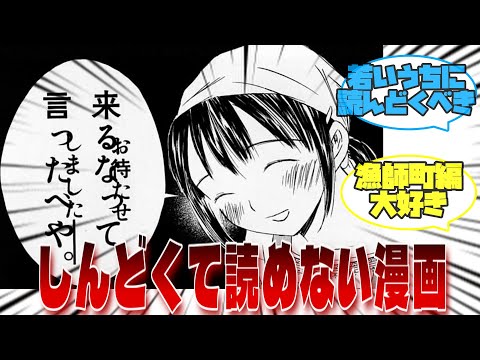
▶ Watch the original YouTube video
Why ‘Tsukumo Girlfriend’ Remains Unreadable: The Sekai-kei Masterpiece and the Generational Divide
“Tsukumo Girlfriend” (Saikano) is widely regarded as a masterpiece of the sekai-kei genre, yet remains notoriously difficult to read. This analysis explores why the work’s emotional intensity, ambiguous worldbuilding, and age-dependent interpretation have made it increasingly inaccessible to modern audiences, even as it continues to resonate with those who experience it at the right moment in their lives.
What Happened
“Tsukumo Girlfriend,” a manga series that emerged in the early 2000s, has developed a paradoxical reputation within anime and manga communities. Readers consistently describe the work as emotionally exhausting—so much so that many abandon it midway through, while those who complete it often declare they never want to read it again. Yet simultaneously, these same readers recommend it passionately to others, creating a contradictory pattern of praise and avoidance that has persisted for nearly two decades.
The work’s core narrative is deceptively simple: a love story between two high school students set against the backdrop of an unexplained global catastrophe. However, the series deliberately obscures the nature of the threat and the mechanics of the world, instead focusing intensely on the psychological and emotional dimensions of the protagonists’ relationship. This structural choice—prioritizing intimate character study over worldbuilding exposition—has become the defining characteristic that makes the work simultaneously compelling and deeply uncomfortable for readers.
Why It Matters
“Tsukumo Girlfriend” serves as a critical case study in how literary and artistic merit intersects with audience accessibility, generational values, and the passage of time. The work’s increasing difficulty in finding new readers reflects broader shifts in entertainment consumption patterns and audience expectations. Understanding why this work has become “unreadable” for contemporary audiences reveals fundamental changes in how younger generations process narrative, emotional content, and the relationship between individual happiness and collective responsibility.
Furthermore, the work’s legacy illuminates the decline of the sekai-kei genre itself—a movement that once dominated anime and manga discourse but has been largely superseded by isekai (alternate world) narratives that offer fundamentally different emotional and philosophical frameworks. The comparison between “Tsukumo Girlfriend” and contemporary works like “Weathering with You” demonstrates how the cultural conversation around individual agency, sacrifice, and meaning has shifted dramatically in less than two decades.
Background
“Tsukumo Girlfriend” emerged during the early 2000s, a period when anime and manga were still processing the cultural impact of “Neon Genesis Evangelion” (1995). Evangelion had pioneered a narrative approach characterized by deliberate obscurity, psychological intensity, and the refusal to provide clear explanations for the catastrophic events unfolding on screen. This created a template for what would become known as the “sekai-kei” (world-type) genre—stories in which the relationship between the protagonist and a single character becomes metaphysically linked to the fate of the entire world.
The sekai-kei genre was defined by several consistent characteristics: the protagonist’s personal relationship directly determines the world’s destiny, the external threat or worldbuilding remains intentionally vague and unexplained, internal psychological states are rendered with extreme detail while external events are minimized, and the narrative refuses to provide logical explanations for its central premise. “Tsukumo Girlfriend” represents the full realization of these principles applied specifically to a romance narrative.
The work was created during a cultural moment when teenage alienation, existential anxiety, and the sense that one’s personal relationships held cosmic significance resonated deeply with audiences. However, the entertainment landscape has shifted dramatically since then. The rise of isekai narratives beginning around 2010—stories in which protagonists are transported to alternate worlds where they consistently succeed and are constantly affirmed—has fundamentally altered audience expectations regarding narrative structure, character agency, and emotional tone.
Key Points
- Structural Ambiguity as Core Device: The work deliberately withholds explanation for both the nature of the global threat and the mechanics of how the protagonists’ relationship affects world events. This ambiguity functions as the primary source of the work’s emotional intensity and its difficulty for readers.
- Age-Dependent Interpretation: The work is fundamentally dependent on reader age for its emotional impact. Teenage readers interpret the narrative as affirming their belief that their personal relationships hold cosmic significance, while adult readers—particularly those with parental experience—find themselves identifying with the parents’ perspective and experiencing the narrative as tragedy rather than romance.
- The Symbolic Abandoned Kitten Episode: A pivotal sequence in which the protagonist discovers he was not rescued as a child but rather buried alive serves as a metanarrative commentary on the entire work. It suggests that what the characters believe to be salvation may actually be annihilation, creating persistent interpretive uncertainty throughout the narrative.
- Generational Shift in Audience Tolerance: Modern audiences, conditioned by isekai narratives that consistently affirm protagonist agency and provide positive outcomes, have developed significantly lower tolerance for ambiguity, darkness, and unresolved existential dread. This has made “Tsukumo Girlfriend” feel increasingly alienating to contemporary readers.
- The Decline of Sekai-kei as Cultural Force: The genre that once dominated critical discourse has been largely superseded by isekai narratives that offer fundamentally different philosophical frameworks. Works like “Weathering with You” represent an evolution beyond sekai-kei principles, suggesting that the cultural moment that made “Tsukumo Girlfriend” resonate has definitively passed.
- Meme Appropriation and Meaning Loss: The work’s central phrase “The Earth is finished” has been transformed into internet meme culture, stripped of its original tragic weight and converted into casual self-deprecating humor. This appropriation reflects the work’s loss of cultural authority and its relegation to historical artifact status.
Timeline
- 1995: “Neon Genesis Evangelion” airs, establishing the template for sekai-kei narrative structure and the aesthetic of unexplained catastrophe.
- Early 2000s: “Tsukumo Girlfriend” is published, representing the full maturation of sekai-kei principles applied to romance narrative.
- Mid-2000s: The work gains cult status within anime communities; readers describe it as emotionally devastating yet paradoxically recommend it to others.
- 2010s: Isekai narratives rise in prominence, fundamentally shifting audience expectations regarding narrative structure and emotional tone.
- 2015 onwards: The prevalence of isekai content conditions newer audiences to expect consistent affirmation and positive outcomes, making sekai-kei works increasingly inaccessible.
- 2019: “Weathering with You” is released, representing a philosophical evolution beyond sekai-kei principles while achieving mainstream cultural acceptance.
- Present: “Tsukumo Girlfriend” is increasingly described as “unreadable,” with even teenage audiences struggling to engage with its emotional and philosophical framework.
Perspectives
The Teenage Reader’s Perspective: For readers in their early teens, “Tsukumo Girlfriend” functions as an affirmation of their intuitive belief that their personal relationships hold cosmic significance. The work validates the adolescent experience of feeling that one’s emotions and connections shape reality itself. The narrative’s refusal to explain the external threat allows readers to project their own anxieties onto the ambiguous danger, creating a deeply personal reading experience. The ending—in which the protagonists choose their relationship over the world’s survival—resonates as an act of courageous defiance against adult authority and societal expectations.
The Adult Reader’s Perspective: Readers who encounter the work after reaching adulthood, particularly those with parental experience, report a fundamentally different emotional response. The same scenes that teenage readers interpret as romantic defiance become, for adult readers, scenes of devastating loss. The moment in which the protagonist tells his parents “I’m leaving now” transforms from an act of youthful courage into an act of abandonment. Adult readers find themselves unable to celebrate the protagonists’ choice and instead experience profound empathy for the parents’ perspective—the horror of losing one’s child to forces beyond comprehension or control.
The Contemporary Audience Perspective: Modern readers conditioned by isekai narratives expect narrative structures in which the protagonist consistently succeeds, receives affirmation, and achieves positive outcomes. The sekai-kei framework—with its emphasis on ambiguity, sacrifice, and the absence of clear victory—feels fundamentally alien to these audiences. Contemporary readers may interpret the work’s refusal to explain its worldbuilding not as artistic sophistication but as narrative failure. The emotional darkness that earlier audiences found profound, modern audiences may experience as simply unpleasant.
The Genre Historian’s Perspective: From a historical standpoint, “Tsukumo Girlfriend” represents the apex of a particular artistic movement that has definitively concluded. The work is best understood not as a timeless masterpiece but as a perfect crystallization of early 2000s cultural anxieties and aesthetic preferences. Its increasing inaccessibility reflects not a flaw in the work but rather the natural historical process by which cultural artifacts become period pieces. The work remains valuable precisely because it documents a specific moment in cultural history when teenage alienation and existential dread were dominant cultural preoccupations.
Insights
“Tsukumo Girlfriend” has become unreadable not because the work has deteriorated but because the cultural and generational context that made it resonate has fundamentally shifted. The work was created during a moment when audiences—particularly teenage audiences—experienced genuine existential anxiety about the nature of reality, the significance of personal relationships, and the possibility of meaningful action in an incomprehensible world. These anxieties were not abstract philosophical concerns but lived experiences that shaped how young people understood their place in the world.
The rise of isekai narratives represents a decisive cultural shift away from these concerns. Isekai stories are fundamentally about affirmation: the protagonist is transported to a world where their agency is consistently validated, their efforts produce positive results, and their happiness is the narrative’s primary concern. This represents a complete inversion of sekai-kei philosophy, which insists that individual happiness may require the sacrifice of everything else, including the world itself.
The work’s increasing difficulty for contemporary readers reflects a broader generational divergence in how meaning and value are constructed. For the generation that created and initially consumed “Tsukumo Girlfriend,” meaning was something to be discovered through struggle, ambiguity, and the acceptance of tragic limitations. For the generation now coming of age, meaning is something to be affirmed through consistent success and the validation of personal desires. These are not merely different aesthetic preferences but fundamentally different philosophical frameworks.
The work remains a masterpiece precisely because it perfectly captures a specific historical moment and emotional landscape. However, it has also become a historical artifact—a document of a cultural moment that has definitively passed. The fact that contemporary readers struggle to complete it is not a failure of the work but rather evidence of how thoroughly the cultural conversation has shifted. In this sense, “Tsukumo Girlfriend” functions as an unintentional historical record of early 2000s adolescent consciousness, preserved in amber for future generations to study and attempt to understand.
The work’s final significance may ultimately lie not in its continued ability to move contemporary audiences but in its capacity to demonstrate how profoundly cultural values and narrative expectations can shift within a single generation. It stands as a monument to a moment when the question “What does it mean to be alive in an incomprehensible world?” felt urgent and vital. For those who still find that question compelling, the work remains devastatingly relevant. For those who have moved beyond it, the work serves as a window into a fundamentally different way of experiencing existence.