▶ Watch the original YouTube video
Golden Kamuy Parody Videos Reveal Fan Community’s Deep Love for the Series
A viral “What Golden Kamuy Would Be Like If We Hated It” parody video has sparked widespread discussion among anime fans, showcasing how creative reversals of character traits and plot points actually demonstrate profound understanding and appreciation of the original work. The phenomenon reflects the maturation of anime fan culture and the unique appeal of a series that invites both serious analysis and playful reinterpretation.
What Happened
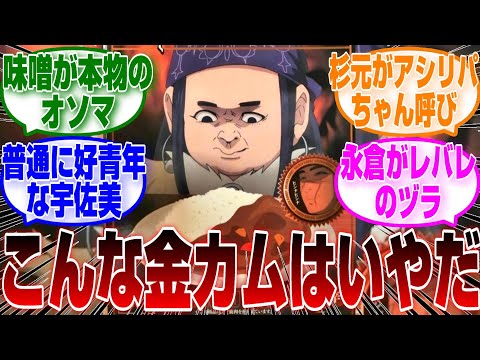
A creative parody video titled “What Golden Kamuy Would Be Like If We Hated It” has gained significant traction within the anime community. The video compiles fan-submitted ideas about how the beloved historical adventure series would change if its core elements were reversed or inverted. Rather than simple joke submissions, the parodies demonstrate sophisticated understanding of character psychology, narrative structure, and thematic elements that define the original work.
Why It Matters
This phenomenon reveals important truths about contemporary anime fandom and creative culture. The quality and depth of these reversals indicate that Golden Kamuy has transcended typical entertainment status to become a work that inspires serious fan analysis and creative engagement. The parodies function as a form of literary criticism—by inverting what makes the series work, fans illuminate what makes it exceptional. This represents a significant evolution in how fan communities interact with source material, moving beyond simple appreciation to collaborative interpretation and analysis.
Background
The “What We Would Hate About [Series]” format emerged in anime fan communities during the early 2010s, gaining prominence through platforms like Nico Nico Douga and later Twitter. Similar campaigns have surrounded other major titles including “Attack on Titan” and “One Punch Man.” However, the Golden Kamuy iteration stands out for the sophistication of its submissions. Golden Kamuy itself is a historical adventure manga that blends Meiji-era Japanese history, Ainu culture, and complex character development. The series features a diverse cast with deeply established motivations: Sugimoto’s survival instinct, Asirpa’s cultural identity and independence, Hijikata’s ambition and charisma, and Tsurumi’s ideological conviction. This narrative complexity creates fertile ground for creative reversals that maintain internal logic.
Key Points
- The parody submissions focus on character trait reversals (Hijikata becoming comedic while retaining strength, Sugimoto losing his immortality), plot inversions (Shiraishi betraying the group mid-story), and setting contradictions (tattoo clues becoming unsolvable, Asirpa’s cooking becoming incompetent)
- Fan responses on Twitter, YouTube, and forums emphasize how the parodies actually reinforce appreciation for the original work’s quality and complexity
- The parodies demonstrate that Golden Kamuy possesses both strong character definition and narrative flexibility—rare qualities that allow for meaningful reversals
- Community analysis reveals that fans are engaging in sophisticated character study, understanding that reversing surface traits while maintaining core essence reveals what truly defines each character
- The phenomenon reflects broader evolution in anime fandom toward deeper textual analysis and collaborative creative engagement
- Female character-focused parodies particularly highlight how modern fans value character agency and strength, contrasting with earlier fandom patterns
Timeline
- Early 2010s: “What We Would Hate” format emerges in anime fan communities, particularly around “Attack on Titan”
- 2015: Similar campaigns appear for “One Punch Man,” establishing the format as a recurring fan activity
- 2023: Golden Kamuy parody campaign gains significant traction, generating high-quality, analysis-driven submissions
- Present: Parody video compilation circulates widely, sparking discussion about fan creativity and source material appreciation
Perspectives
From a fan engagement perspective, the parodies represent the highest form of appreciation—they require complete understanding of source material to execute effectively. A parody that reverses Hijikata’s character only works if the creator understands that his strength derives from judgment and ambition rather than personality type. Similarly, jokes about Asirpa becoming weak only resonate because fans recognize her independence as central to her character.
From a creative standpoint, the parodies demonstrate that Golden Kamuy possesses structural qualities that accommodate both serious interpretation and playful reinterpretation. The series’ foundation in historical fiction combined with adventure narrative creates what might be called “interpretive flexibility”—the ability to be read multiple ways without losing coherence.
From a cultural perspective, the prevalence of female character reversals in the parodies indicates evolving fan values. Rather than accepting female characters as passive elements, modern fans emphasize their agency and strength, viewing weakness as a violation of character essence rather than an acceptable variation.
Insights
The Golden Kamuy parody phenomenon illuminates several important truths about contemporary anime fandom. First, it demonstrates that fan creativity has evolved significantly in sophistication. Where early 2010s parodies relied on surface-level reversals (“character dies,” “plot changes”), modern parodies engage with thematic depth and character psychology.
Second, the parodies reveal that Golden Kamuy occupies a unique position in fan consciousness—it is simultaneously a work worthy of serious analysis and a work that invites creative play. This duality is rare among anime properties. The series’ complexity in character motivation, historical setting, and thematic exploration creates endless possibilities for “what if” scenarios that remain internally coherent.
Third, the community response indicates that parodies function as collaborative criticism. When fans joke that the tattoo clues contain errors, they are simultaneously critiquing and celebrating the source material. This represents a mature fan culture where appreciation and critical engagement coexist.
Finally, the phenomenon suggests that Golden Kamuy has achieved what few anime accomplish—it has created a complete fictional world that extends beyond the original work into fan creation. The parodies are not separate from the work; they are part of its cultural ecosystem. This integration of fan creativity with source material represents an evolution in how media properties develop meaning and cultural significance in the digital age.