▶ Watch the original YouTube video
How Mega Starmie’s Pure Joy of Evolution Captured Trainers’ Hearts: A Deep Dive Into Pokémon Game Design
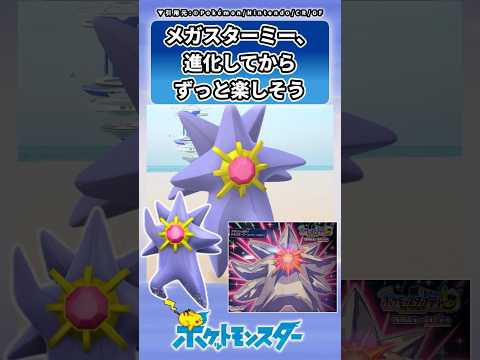
A viral video showcasing Mega Starmie’s uniquely joyful evolution animation has resonated deeply with Pokémon players worldwide, revealing how character emotion and expression have become central to modern game design. Unlike other Mega Pokémon that express aggression or dominance, Mega Starmie radiates pure happiness—a design choice that reflects a fundamental shift in how developers approach player-character relationships.
What Happened
A YouTube video highlighting Mega Starmie’s evolution animation has generated significant attention within the Pokémon community. The video showcases how Mega Starmie, unlike most other Mega Pokémon, displays genuine joy and excitement during its transformation rather than aggression or power-seeking behavior. Trainers across social media platforms have responded enthusiastically, praising the emotional depth of the animation and the character design choices behind it.
Why It Matters
This moment reflects a broader evolution in game design philosophy. For years, Pokémon evolution animations emphasized raw power and dominance. Mega Starmie’s departure from this formula—expressing contentment and self-actualization instead—signals that modern players value emotional authenticity and character agency in their gaming experiences. The positive reception demonstrates that players increasingly prioritize how characters feel over how strong they are, reshaping expectations for future game development.
Background
Starmie has historically occupied a modest position within the Pokémon franchise, often overshadowed by more iconic water-type Pokémon. However, its Mega Evolution introduced a visual and emotional transformation that caught players off guard. The animation’s design—featuring fluid, energetic movements and a visibly content expression—contrasts sharply with Mega Evolutions like Mega Gyarados (which emphasizes rage) or Mega Charizard X (which conveys dominance and aggression).
This design choice appears intentional, reflecting a shift in Pokémon’s narrative approach. Since Pokémon Sword and Shield (2019), Game Freak has increasingly emphasized individual Pokémon personality and emotional expression. Dynamax animations, for instance, often depict Pokémon celebrating their size increase rather than simply becoming larger threats.
Key Points
- Unique Emotional Expression: Mega Starmie displays consistent joy and excitement throughout its evolution, distinguishing it from other Mega Pokémon that express aggression or cold determination.
- Contrast with Other Mega Forms: While Mega Gyarados appears enraged and Mega Charizard X conveys dominance, Mega Starmie celebrates personal growth and self-actualization.
- Player Emotional Connection: Social media responses reveal that trainers value Mega Starmie’s emotional authenticity, often prioritizing this over competitive viability.
- Design Elements: The animation combines dynamic movement, bright color palettes (blues and whites rather than reds and blacks), and uplifting sound design to convey happiness.
- Broader Industry Trend: The positive reception reflects a growing industry emphasis on character emotion and player-character relationships as core design pillars.
- Philosophical Shift: Mega Starmie represents a move away from the traditional “training as dominance” narrative toward “Pokémon as autonomous beings capable of joy in their own growth.”
Timeline
- 2019: Pokémon Sword and Shield introduces Dynamax, emphasizing Pokémon celebration of power increases.
- 2015–Present: Broader gaming industry shift toward character emotional expression as a design priority (influenced by games like Undertale and The Last of Us).
- Recent: Mega Starmie video goes viral, generating widespread discussion about character design and player-Pokémon relationships.
Perspectives
Emotional Design Advocates: Players and critics argue that Mega Starmie’s joyful expression represents the future of character-driven game design. They contend that emotional authenticity creates deeper player investment than raw power or visual intimidation.
Competitive Players: Some trainers note that Mega Starmie’s competitive viability is limited, suggesting that emotional expression alone cannot substitute for gameplay balance. However, even these critics acknowledge the character’s charm and appeal.
Game Designers: The reception suggests that developers should prioritize character emotion across all evolution forms and transformations, not just select Pokémon. This could lead to more diverse emotional expressions in future games.
Narrative Perspective: Starmie’s characterization as an intelligent, mysterious Pokémon makes its joyful Mega Evolution particularly meaningful. The expression of happiness upon gaining new power aligns with a being of higher intelligence discovering expanded potential.
Insights
Mega Starmie’s success reveals a fundamental truth about modern gaming: players increasingly view their companions as emotional beings rather than mere tools or party members. The animation’s effectiveness lies not in technical complexity but in its authenticity—Starmie appears genuinely happy, and players respond to that authenticity.
This shift has significant implications for future Pokémon games and the broader gaming industry. Character emotion is no longer supplementary to gameplay; it is integral to player satisfaction. Games that prioritize how characters feel—not just what they can do—create stronger emotional bonds with players.
The contrast between Mega Starmie and other Mega Pokémon also suggests that evolution need not follow a single narrative arc. Strength can manifest as joy rather than aggression. Intelligence can express itself through contentment rather than cold calculation. This diversity of emotional expression enriches the entire Pokémon ecosystem and offers players more varied ways to connect with their teams.
Looking forward, the Mega Starmie phenomenon indicates that future Pokémon designs should emphasize individual character personality and emotional depth. Players have spoken: they want companions that feel alive, that celebrate their own growth, and that exist as autonomous beings worthy of respect and affection. Mega Starmie embodies this ideal perfectly, making it not just a strong Pokémon, but a symbol of game design evolution itself.