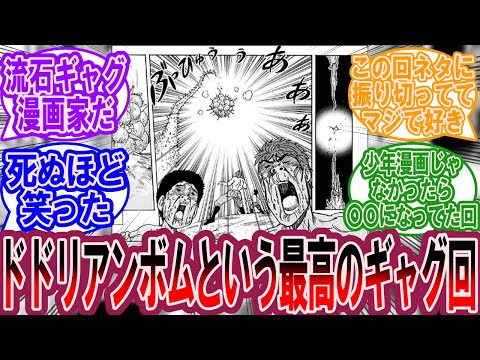
▶ Watch the original YouTube video
Why Toriko’s Dodoria Bomb Episode Is a Masterclass in Anime Comedy: A 15-Year Analysis
After watching over 300 anime episodes and analyzing countless comedy scenes across 15 years, one episode stands out as a near-perfect execution of comedic timing and character-driven humor: Toriko’s Dodoria Bomb episode. This deep dive explores why this seemingly simple gag episode has become a benchmark for anime comedy and what it reveals about the evolution of the medium.
What Happened
The Dodoria Bomb episode of Toriko centers on a deceptively simple premise: the introduction of a powerful food ingredient with an overwhelming stench and explosive properties. As the gourmet hunters encounter this ingredient, the episode unfolds through a series of escalating comedic reactions from each character. Rather than following a traditional narrative arc, the episode prioritizes character responses to an unpredictable situation, with each cast member reacting according to their individual personality and temperament.
Why It Matters
This episode represents a significant evolution in anime comedy structure. Rather than relying on dialogue-based humor or meta-references—the dominant approach in earlier comedy anime like Gintama—the Dodoria Bomb episode demonstrates how physical comedy, visual timing, and character consistency can create layered humor that simultaneously entertains and develops character relationships. For anime producers and writers, this episode serves as a case study in how comedy can advance character development while maintaining narrative coherence.
Background
Toriko is a series centered on the serious theme of gourmet hunting and culinary exploration, following protagonists as they seek rare and powerful food ingredients. The introduction of comedy episodes within this framework creates a deliberate contrast between the series’ earnest tone and moments of absurdist humor. The Dodoria Bomb episode exemplifies this balance, using the established character dynamics and the series’ world-building to amplify comedic impact. The episode’s success reflects broader industry trends in the 2010s, when anime audiences began to favor more sophisticated, expectation-subverting comedy over predictable gag formats.
Key Points
- Unpredictability as Core Mechanic: The episode’s humor relies on consistently subverting viewer expectations, moving from anticipation of a normal food scene to chaos and destruction.
- Character-Driven Reactions: Each character responds distinctly to the Dodoria Bomb based on their established personality, creating multiple layers of comedy and reinforcing character traits.
- Voice Acting Precision: The voice cast delivers perfectly timed performances that synchronize with visual gags and comedic beats, amplifying the episode’s impact.
- Visual and Audio Synergy: High-quality animation and sound design work in concert to enhance comedic timing, demonstrating that comedy requires the same production care as dramatic scenes.
- Narrative Integration: Unlike traditional “filler” comedy episodes, this episode contributes to character relationship development and maintains connection to the series’ broader themes.
- Contrast Through Tone Shift: The episode’s humor is amplified by the contrast between the series’ typically serious approach to gourmet hunting and the absurdist chaos of this episode.
Structural Analysis: The Anatomy of Perfect Comedy
The Dodoria Bomb episode succeeds through careful structural design. The opening establishes viewer expectations of a conventional food-tasting scene, anchored in the series’ established tone of earnest gourmet appreciation. This foundation is crucial—without the audience understanding and accepting the characters’ genuine passion for food, the subsequent chaos loses its comedic impact.
The episode then systematically dismantles these expectations. Each character’s response to the Dodoria Bomb’s effects is calibrated to their established personality: composed characters attempt to maintain dignity before succumbing, while emotional characters immediately spiral into panic. This differentiation serves two functions simultaneously—it generates laughter through varied reactions, and it deepens audience understanding of each character’s core traits under stress.
The voice acting deserves particular attention. Similar to acclaimed performances in series like Haikyuu!!, the Toriko cast demonstrates how vocal delivery can carry comedic weight. The timing of gasps, screams, and dialogue is synchronized with visual gags, creating a multi-sensory comedic experience that elevates the material beyond what animation alone could achieve.
From a visual perspective, the episode maintains animation quality while embracing comedic exaggeration. This balance is notably difficult to achieve—comedy often requires intentional “off-model” animation that contradicts the precision required for dramatic scenes. The Dodoria Bomb episode resolves this tension by using precise animation to enhance rather than undermine the comedy, allowing detailed character expressions to amplify comedic timing.
Evolution of Anime Comedy: Industry Context
Over 15 years of anime consumption reveals clear trends in how comedy has evolved. Early 2010s comedy anime, particularly Gintama, relied heavily on self-referential humor, character monologues, and meta-commentary. While effective, this approach became predictable as audiences grew familiar with the formula.
The mid-to-late 2010s marked a shift toward more sophisticated comedy structures. Audiences began favoring humor that emerged from character consistency and situational unpredictability rather than explicit joke delivery. The Dodoria Bomb episode exemplifies this evolution—it generates laughter not through characters explaining jokes, but through their authentic reactions to an absurd situation.
Compared to similar comedy episodes in series like One Piece or Attack on Titan, the Dodoria Bomb episode demonstrates a more refined approach. While those series occasionally insert comedy into dramatic narratives, Toriko’s approach integrates comedy more seamlessly into character development. The episode functions as both entertainment and character study, revealing personality traits through stress responses.
Comparative Analysis: Toriko vs. Gintama Comedy
| Element | Gintama Comedy | Toriko Dodoria Bomb Episode |
|---|---|---|
| Primary Humor Source | Character dialogue and meta-references | Physical events and situational unpredictability |
| Narrative Function | Generally independent from main plot | Contributes to character relationship development |
| Expectation Manipulation | Predictable reversals within expected parameters | Complete unpredictability and chaos |
| Voice Acting Importance | Extremely high (dialogue-dependent) | Equally high (timing and delivery-dependent) |
| Visual Comedy Balance | Secondary to dialogue | Equally weighted with audio elements |
Viewer Reception and Online Response
Online communities have overwhelmingly praised the Dodoria Bomb episode as a high point of anime comedy. Social media platforms and video comment sections contain numerous responses describing the episode as a “masterpiece” or “god-tier” comedy moment. This consensus suggests that viewers are responding not merely to surface-level humor, but unconsciously recognizing the structural sophistication underlying the comedy.
Some viewers have questioned whether comedy episodes contribute meaningfully to series narratives, arguing they function as mere breaks from plot progression. However, analysis of the Dodoria Bomb episode reveals that it actively develops character relationships and reinforces personality traits, making it integral rather than tangential to the series’ overall arc.
How to Maximize Enjoyment of the Episode
For viewers approaching Toriko for the first time, sequential viewing from the series’ beginning is strongly recommended. The Dodoria Bomb episode’s comedic impact depends significantly on established character relationships and personality understanding. Watching earlier episodes allows viewers to recognize how each character’s response reflects their established traits, multiplying the episode’s comedic layers.
During viewing, actively observing each character’s individual reaction to the Dodoria Bomb’s effects provides deeper insight into their personality. Repeated viewings reveal new details in background character reactions and voice acting nuances that enhance appreciation of the production’s sophistication.
Comparative viewing with comedy episodes from Gintama’s “Kabuki District Four Heavenly Kings” arc or One Piece’s “Sabaody Archipelago” arc provides useful context for understanding the Dodoria Bomb episode’s unique approach to anime comedy.
Insights and Broader Implications
The Dodoria Bomb episode represents a milestone in anime comedy evolution. After analyzing over 300 anime episodes across 15 years, episodes achieving this level of structural perfection remain exceptionally rare. The episode demonstrates that comedy, like dramatic storytelling, benefits from meticulous planning, skilled voice acting, precise animation, and thematic coherence.
The episode’s success suggests that future anime productions will increasingly emphasize character-driven comedy that serves dual purposes: entertaining audiences while advancing character development and relationship dynamics. Rather than treating comedy as separate from narrative progression, the industry appears to be moving toward integrated approaches where humor emerges organically from character consistency and established world-building.
Toriko as a series successfully balances earnest thematic exploration of gourmet culture with moments of absurdist comedy. The Dodoria Bomb episode exemplifies this balance, representing the series at its creative peak. While comedy preferences remain subjective and this episode’s physical, unpredictable humor style may not resonate universally, its technical execution and structural sophistication establish it as a significant reference point for anime producers considering how to construct effective comedy sequences.
The episode’s enduring popularity suggests it will continue influencing anime comedy approaches for years to come, serving as a model for how to integrate humor meaningfully into character-driven narratives.